Pros and Cons of Sliding Wardrobe Doors You Need to Know?

Time:2026-06-19 Author:Sienna
0%

When considering wardrobe options, sliding doors are increasingly popular. They offer unique advantages related to space and style. However, what are the pros and cons of sliding wardrobe doors?

One major benefit is the space-saving aspect. Sliding doors do not require extra room to swing open. This can be crucial in smaller bedrooms. Additionally, they provide a modern, sleek look that complements contemporary decor. On the downside, they may lack the charm of traditional hinged doors. Cleaning the tracks can also be more challenging.

Another consideration is functionality. Some find that sliding doors are less convenient for quick access. If a single door is slightly off track, the entire system can become frustrating. Overall, evaluating the pros and cons of sliding wardrobe doors is essential before making a choice. Each home is unique, and what works for one may not suit another.
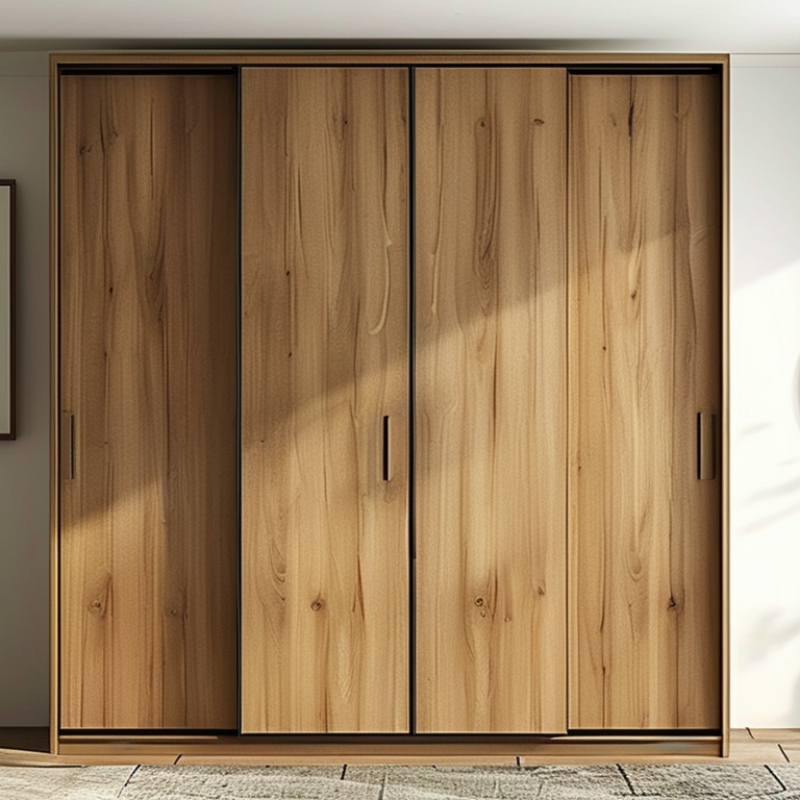
Pros and Cons of Sliding Wardrobe Doors You Need to Know?

Overview of Sliding Wardrobe Doors: Definition and Popularity

Sliding wardrobe doors have gained immense popularity in modern homes. They offer a seamless blend of functionality and style. These doors slide open, saving space, making them ideal for small rooms. Many homeowners appreciate their sleek design, which complements various decor styles.

However, it's important to acknowledge some drawbacks. The tracks can accumulate dust and debris, leading to maintenance concerns. People often notice that sliding doors do not fully open, limiting access to clothing and belongings. This can be frustrating when searching for specific items.

Overall, sliding wardrobe doors can enhance a room's aesthetic appeal. But potential buyers should carefully weigh these factors. Understanding both the benefits and limitations is crucial before making a decision.

Advantages of Sliding Wardrobe Doors: Space-Saving and Aesthetic Appeal

Sliding wardrobe doors are a popular choice for modern interiors. Their space-saving design is one of the main advantages. Unlike traditional doors, they don't swing outward. This is especially beneficial in smaller rooms where every inch counts. You can place furniture closer, maximizing the usable area. A sleek look often accompanies these doors, enhancing the aesthetic appeal of your space.

Moreover, sliding doors come in various materials and styles. From mirrored finishes to wood textures, there’s a design for everyone. Mirrors can create an illusion of spaciousness. However, they require regular cleaning to maintain their shine. It’s essential to consider maintenance when choosing your wardrobe doors. While sliding doors add beauty, they can be prone to track issues over time. Regular checks and proper installation are crucial for longevity. It's worth acknowledging these minor imperfections to ensure a seamless experience.

Pros and Cons of Sliding Wardrobe Doors

Aspect Advantages Disadvantages
Space Efficiency Maximizes usable space without needing extra swing room. May not fit well in very narrow spaces.
Aesthetic Appeal Available in various designs and materials to match decor. Some designs can look bulky or outdated.
Accessibility Easier to access contents compared to hinged doors. Requires proper alignment to open smoothly.
Maintenance Minimal maintenance; easy to clean. Tracks can accumulate dust and debris and need occasional cleaning.
Durability High-quality materials can last many years. Lower quality options may not withstand regular use.

Disadvantages of Sliding Wardrobe Doors: Limitations and Maintenance Issues

Sliding wardrobe doors can enhance space aesthetics, but they come with their own challenges. One major limitation is accessibility. When the doors slide, they often require a certain amount of clearance. This can be an issue in smaller rooms. You may find it hard to reach items at the back of the wardrobe. This design may complicate organization, leading to clutter.

Maintenance is another concern. Sliding doors rely on tracks to function smoothly. These tracks can accumulate dirt and dust over time. Regular cleaning is necessary to prevent jamming. If not kept up, doors can stick or even derail. Additionally, the glass panels can be a hassle to keep free of streaks or fingerprints. It’s frustrating when you want a polished look but face ongoing upkeep.

Consider the noise factor, too. Sliding doors can be louder than traditional ones when opened or closed. This might disrupt a peaceful environment. Ultimately, while they can bring modern appeal, the limitations and maintenance issues deserve careful thought. Not every design fits every space seamlessly.

Installation Considerations for Sliding Wardrobe Doors: Tips and Best Practices

When considering sliding wardrobe doors, installation plays a crucial role. The doors can enhance any space, but proper setup is essential for functionality and aesthetics. According to a recent study, improperly installed doors can lead to a 30% increase in repairs. Keeping this in mind can save time and money.

One common tip is to ensure you measure the width accurately. It's vital that the sliding mechanism aligns perfectly with the frame. Misalignment can lead to wear and tear. Many homeowners overlook this step, resulting in doors that stick or don’t close properly. Consider using a second pair of hands during installation, as achieving precision is often a challenge.

Another consideration is the weight of the doors. Heavier doors could require a more robust track system. A report highlighted that around 25% of sliding door issues stem from inadequate support. This factor should not be ignored. Proper hardware installation is just as important as the doors themselves. Failure to recognize this can lead to future accessibility problems. Prioritize quality over aesthetics to ensure longevity.

Comparative Analysis: Sliding vs. Hinge Doors for Wardrobe Solutions

When comparing sliding wardrobe doors to hinge doors, several factors come into play. Sliding doors save space, making them ideal for small rooms. According to a 2021 report from the Interior Design Institute, 62% of homeowners prefer sliding doors for their space-saving benefits. They require less clearance, allowing for easier movement in tight areas. However, this design can sometimes create difficulty in accessing items in the back.

On the other hand, hinge doors offer a traditional look and full accessibility. They swing open wide, allowing you to see everything inside your wardrobe. A study by the Furniture Manufacturers Association found that 55% of users find hinge doors easier to organize and access. However, they need more space to open, which can be a downside in smaller rooms. In some cases, the choice between the two can feel overwhelming.

Both designs have their merits and challenges. Sliding doors may appear sleek, but they may not always provide the same level of accessibility. Hinge doors might feel outdated to some, yet they offer unparalleled access to stored items. Each option can reflect personal preferences and needs, without a definitive right or wrong answer.

FAQS

: What are the main limitations of sliding wardrobe doors?

: Sliding wardrobe doors require clearance and can be hard to access. They complicate organization and may lead to clutter.

How does maintenance affect sliding wardrobe doors?

Sliding doors need regular cleaning to prevent dirt buildup. Neglecting this can cause jamming or derailment over time.

Are sliding wardrobe doors noisy?

Yes, sliding doors can be louder than traditional doors. This noise may disrupt a quiet environment.

What is important about installation accuracy?

Accurate measurements are crucial. Misalignments can lead to sticking doors and increased repair needs.

How can the weight of sliding doors impact their performance?

Heavier doors need sturdier tracks. Inadequate support can cause functional issues down the line.

Why is hardware installation crucial?

Proper hardware ensures longevity. Neglecting this can result in accessibility problems later on.

What common mistake do homeowners make during installation?

Many forget to double-check measurements. This oversight can lead to frustrating outcomes.

What should you prioritize when choosing sliding doors?

Focus on quality over aesthetics. Durable materials can save time and money on repairs later.

Can sliding doors fit in any space?

Not always. The design may not suit every room, so consider individual space requirements.

What challenges do glass panels present?

Glass panels require frequent cleaning to remain streak-free. This can be frustrating, especially for maintaining aesthetics.

Conclusion

Sliding wardrobe doors have gained popularity for their unique space-saving design and aesthetic appeal, making them an attractive choice for modern interiors. What are the pros and cons of sliding wardrobe doors? On the positive side, they offer a sleek look and can fit into tighter spaces where hinged doors may not operate effectively. However, they also come with disadvantages, including limitations in accessing the entire wardrobe at once and potential maintenance issues with the tracks and rollers.

When considering installation, it's essential to follow best practices to ensure the doors function smoothly. Additionally, a comparative analysis between sliding and hinge doors reveals various solutions tailored to different needs and preferences. Understanding these factors can help homeowners make informed decisions that best suit their space and style requirements.

Sienna

Sienna

Sienna is a skilled marketing professional with a deep expertise in our company’s core products and services. With a passion for innovation and detail, she plays a pivotal role in crafting insightful blog posts that not only highlight the unique features of our offerings but also provide valuable......