Grease buildup on wood cabinets is a common issue in many kitchens. The delicate nature of wooden finishes makes the cleaning process challenging. According to a report by the National Kitchen & Bath Association, almost 70% of homeowners experience this problem. Finding effective methods to keep your cabinets clean is crucial.
Experts emphasize the importance of handling wooden surfaces with care. "When removing grease, choose gentle yet effective solutions to maintain the wood's integrity," says James Carter, a seasoned restoration expert. His advice is crucial when considering "how to remove grease from wood cabinets without damaging finish."
Using the right tools and techniques is essential. Common household cleaners can harm the wood's finish, leading to costly repairs. For a safe approach, natural cleaners often yield the best results while protecting the surface. Reflecting on these methods reveals the balance between cleanliness and preserving the beauty of wooden cabinetry.
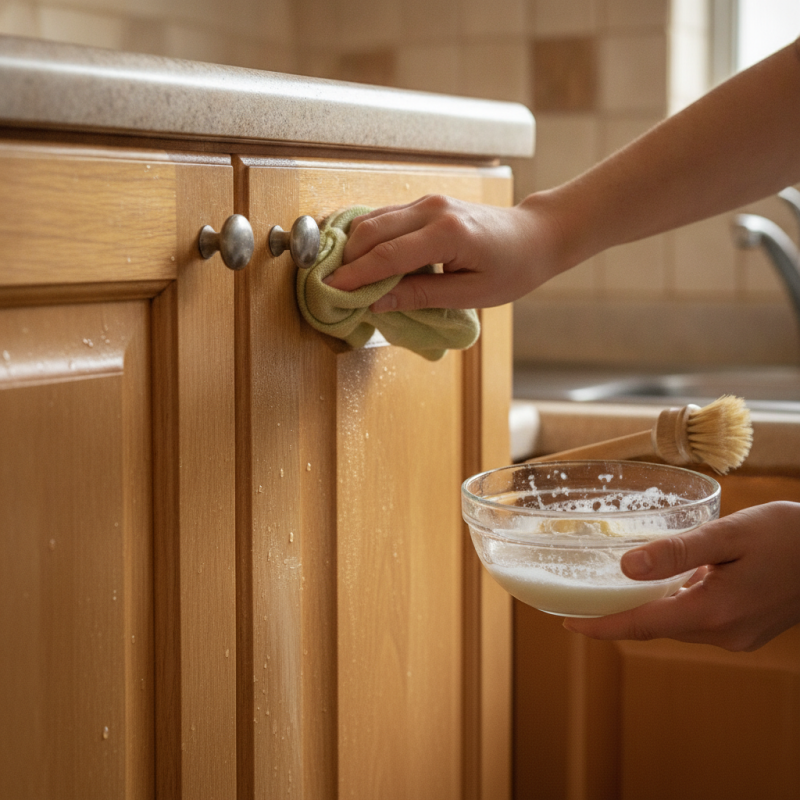
Cleaning wood cabinets requires choosing effective solutions that won't harm the surface. Research indicates that around 40% of homeowners use improper cleaning agents, leading to damage over time. Selecting the right product is crucial for preserving the integrity of the wood.
Natural cleaning solutions often perform best. Ingredients like vinegar and baking soda can cut through grease without harming the finish. According to a report by the National Wood Flooring Association, using mild cleaners can maintain wood's natural beauty. Always test a small, hidden area before applying any solution.
Some cleaners may leave residue or dull the finish. Professionals suggest avoiding abrasive materials. Cloths or soft sponges work better than steel wool. Ensuring surface preparation helps remove layers of old grease effectively. Reacting quickly to spills is also vital, as prolonged exposure can cause stains. Cleaning wood cabinets is about balance.
When removing grease from wood cabinets, the area must be prepared carefully. Protecting nearby surfaces and items is essential to avoid unintentional damage. Lay down old towels or drop cloths around the cabinet. This simple step absorbs any drips and minimizes mess.
Here are some tips:
- Move fragile decorations away from the cleaning area. A small bump can cause them to break.
- Use painter's tape to cover any adjacent surfaces, such as countertops, to shield them from harsh cleaning chemicals. It’s a quick yet effective way to prevent damage.
Take a moment to assess what’s around you. Check for anything that might get in the way. Keep cleaning supplies organized and nearby to ensure they don’t spill. Liquid cleaner can stain a nearby chair or floor. If you have kids or pets, consider working during a time when they’re not around. This helps ensure safety and keeps the focus on the task at hand.
Small oversights can lead to bigger problems. Without proper prep, you might unintentionally spread grease instead of removing it. Taking time to secure your space is worthwhile.
Removing grease from wood cabinets requires careful attention. Start by gathering your supplies. You will need a gentle cleaner, soft cloths, and warm water. Avoid harsh chemicals that can damage wood finishes.
Before applying any cleaner, test it on a small, inconspicuous area. This ensures that your cabinets won't react negatively. Dampen a cloth with warm, soapy water. Wipe the grease-stained area lightly, but don’t saturate the wood. Excess moisture can warp the wood.
Tips: Move in small circles to avoid streaking. For tough spots, let the cleaner sit for a minute. Scrubbing too hard can scratch the surface. After cleaning, dry the area with a soft, dry cloth.
It’s easy to miss spots. Make sure to inspect the cabinets after they dry. Grease can hide in crevices. Regular maintenance helps prevent buildup. Use a simple mixture of vinegar and water for future touch-ups. This method is safe and effective for your wood surfaces.
Grease on wooden cabinets can be frustrating. Using the wrong method may cause damage. Begin by gathering your materials. Soft cloths, warm water, and a gentle dish soap work well. Avoid abrasive scrubbers. These can scratch the wood surface.
Dampen a cloth with the warm, soapy water. Gently wipe the greasy area in circular motions. Don't soak the wood; excess water can warp it. After wiping, use a clean, dry cloth to remove any soap residue. Sometimes, grease may linger. In this case, a mixture of vinegar and water can help break it down. Spray lightly and wipe as before.
Take your time. Rushing may lead to mistakes or damage. Inspect the cabinets regularly for build-up. Finding a regular cleaning routine can save hassle in the long run. Remember, every cabinet is unique. What works for one may not work for another. Stay observant and adjust your approach as needed.
Wood cabinets can serve as beautiful focal points in any kitchen. However, grease buildup can dull their shine. Proper care, especially conditioning and polishing, can rejuvenate these surfaces. Research indicates that conditioning wood can extend its longevity by up to 30%.
When conditioning wood cabinets, opt for natural oils or beeswax. These products penetrate the wood, nourishing it while preventing drying or cracking. Applying a conditioner can restore the luster and reinforce the wood's protective layer. Use a soft cloth for application.
Tip: Always test any product on an inconspicuous area first. Some finishes may react unpredictably.
Polishing is equally vital. A good polish can enhance the wood's appearance and provide a protective barrier. Look for polishes that are silicone-free. They tend to be less likely to cause clouding on the surface over time.
Tip: Be mindful of over-polishing. Excess buildup can result in a tacky feel. A little goes a long way.
Regularly dusting your cabinets is another essential practice. It prevents grease and grime from settling, making deeper cleaning easier. Remember, caring for wood cabinets requires patience. The right products and techniques will keep them looking their best for years.
: Protect surfaces with old towels or drop cloths. Move fragile items away to avoid breakage.
Painter's tape is effective for shielding surfaces like countertops from cleaning chemicals.
Checking your surroundings helps prevent spills and unintentional grease spreading.
It’s best to clean when they are not around. This ensures safety and focus.
Use natural oils or beeswax for conditioning. Apply with a soft cloth to nourish wood.
Don’t use products with silicone. They can cause surface clouding over time.
Regular dusting helps prevent grime buildup. It makes deeper cleaning easier and more effective.
Always test conditioners on a small area first. Reactions can vary between finishes.
Over-polishing can create a tacky feel. It's important to use minimal product.
Conditioning can extend the life of wood cabinets by up to 30%. Proper care is essential.
When tackling the challenge of how to remove grease from wood cabinets without damaging finish, it's essential to start by choosing the right cleaning solution specifically formulated for wood. Before diving into the cleaning process, preparing the area is crucial; cover surrounding surfaces and items to avoid any unintended harm.
The cleaning process begins with a step-by-step application of the chosen cleaner. Using gentle techniques for wiping ensures that the grease is effectively lifted while preserving the integrity of the wood's finish. Finally, don't forget the finishing touches—conditioning and polishing the cabinets not only restore their appearance but also help protect the wood, leaving it looking refreshed and well-maintained. Following these guidelines will help you successfully eliminate grease while maintaining the beauty of your wood cabinets.
