How to Repair Peeling Laminate on Cabinet Doors Easily?

Time:2026-05-19 Author:Sophia
0%

If you’re wondering how to fix peeling laminate on cabinet doors, you’re not alone. Many homeowners face this common issue. The good news is that with some basic supplies and a bit of effort, you can restore your cabinets to their former glory. Peeling laminate can detract from the overall appearance of your kitchen. Ignoring this problem can lead to more extensive damage over time.

Begin by assessing the damage. Some peeling areas may be small and easily fixable, while others may require more attention. Choosing the right adhesive is crucial for a successful repair. Whether you opt for contact cement or wood glue, proper application is key. Don’t rush the process. Taking your time can lead to better results and save you from future hassles.

Finally, remember that perfection isn’t always attainable. Your repairs may not look brand new, but they can certainly enhance the aesthetics of your cabinets. If you take pride in your home, tackling this issue is worthwhile. Gaining hands-on experience can also provide valuable insights into DIY repairs, equipping you with skills for future projects.
How to Repair Peeling Laminate on Cabinet Doors Easily?

Understanding the Causes of Peeling Laminate on Cabinet Doors

Peeling laminate on cabinet doors is a common issue. It can stem from various causes. Understanding these triggers is crucial for effective repair.

One major cause is moisture. This can seep into the laminate layers. Areas near sinks or dishwashers are more prone. If the laminate edges are not sealed properly, water can accelerate peeling. High humidity levels can also contribute to this problem. Temperature changes may weaken the adhesive over time.

Another factor is age and wear. As cabinets age, the laminate can become brittle. Heavy usage can cause physical damage. Bumping into cabinets can chip or lift edges. Sometimes, poor installation can lead to early failures. Recognizing these problems can help you maintain your cabinets better. Engaging with professionals can provide deeper insights. Reflection on these factors leads to better care and repair strategies.

How to Repair Peeling Laminate on Cabinet Doors Easily? - Understanding the Causes of Peeling Laminate on Cabinet Doors

Cause Description Repair Method Preventive Measure
Moisture Exposure Water damage can cause the laminate to peel. Dry the area, reapply adhesive, and press the laminate back. Ensure proper sealing and ventilation around cabinets.
Heat Damage High temperatures can cause laminate adhesives to weaken. Cool the area, clean thoroughly, and reattach using suitable adhesive. Keep hot items away from cabinet surfaces.
Poor Quality Adhesive Using low-quality adhesive can lead to peeling. Remove the old adhesive and apply a stronger, high-quality adhesive. Invest in quality materials during installation.
Physical Damage Impacts or scratches can cause laminate to chip and peel. Use wood filler or matching paint to disguise chips and seal edges. Handle doors carefully and use bumpers to prevent slamming.

Essential Tools and Materials Required for Repairs

Repairing peeling laminate on cabinet doors is a manageable task when you have the right tools and materials. Start with a utility knife or a fine blade to trim away any loose laminate edges. According to a report by the National Kitchen and Bath Association, proper tools can reduce repair time by up to 50%. A heat gun can also be beneficial for softening the adhesive beneath the laminate for easier application.

Next, gather adhesive specifically designed for laminate repairs. This ensures a strong bond that resists moisture and wear. A quality brush or spreader will help apply the adhesive evenly. For added strength, clamps can secure the laminate as it dries. The Home Improvement Research Institute suggests that using clamps increases durability by providing consistent pressure during the curing process. Don't forget a clean cloth to wipe away any excess adhesive.

While repairing, you might find imperfections in the surface. These flaws are common and can be mitigated with sanding. Using sandpaper with varying grits will help smooth the repaired areas nicely. Remember, achieving a flawless finish may take several attempts. It's normal to need practice in aligning edges correctly. Embrace that trial and error is part of the learning process.

Step-by-Step Guide to Repairing Peeling Laminate

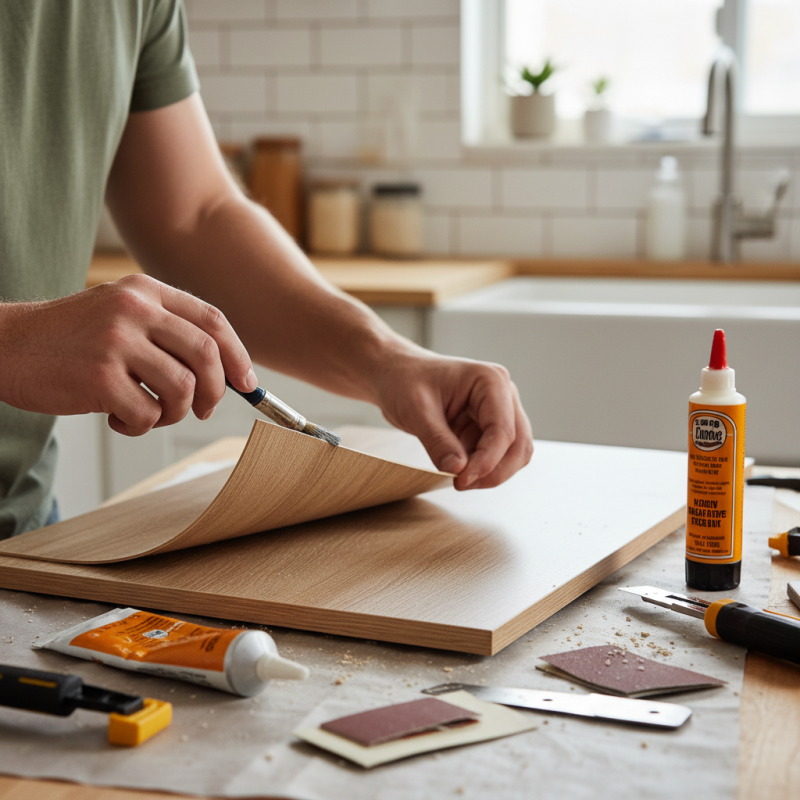
Repairing peeling laminate on cabinet doors can seem daunting. However, with a few simple steps, you can achieve a neat finish. Begin by gathering your materials. You will need a utility knife, wood glue, a small brush, sandpaper, and a clean cloth. Preparation is key. Ensure the surface is clean and dry before starting the repair.

To repair the peeling laminate, carefully cut away the damaged section with a utility knife. Apply a thin layer of wood glue to both the laminate and the underlying surface. Press it down firmly. Wipe away excess glue immediately with a cloth. Once it dries, gently sand the edges to create a smooth finish. This part can be tricky; you may need to practice a bit to get it right.

After sanding, you can consider adding a coat of sealant. This can help longevity and maintain appearance. Remember, perfection isn’t always attainable. If the repair isn’t seamless, it’s okay. Reflect on the process; each attempt teaches you something new. Your cabinet doors can still look good with a little patience and effort.

Techniques for Seamlessly Matching Laminate Patterns

When dealing with peeling laminate on cabinet doors, matching patterns seamlessly is crucial. Start by assessing the damage. Identify the areas that need repair. Gather laminate samples that closely match your original design. Finding the right color and texture can be challenging, making patience essential.

To blend the patterns, cut the new laminate carefully. Use sharp scissors for precision. Align the patterns as you apply the new piece. This technique requires a steady hand and an eye for detail. Sometimes, it may seem imperfect. Little discrepancies can be managed with strategic placement.

Tips: When selecting your laminate, consider texture and gloss. Sometimes, a slight variance can work in your favor, adding character. Make sure to clean the surface thoroughly before applying adhesive. A clean surface enhances bonding and prevents future peeling. Remember, perfection isn’t always the goal; a well-executed fix can still look stunning.

Preventive Measures to Avoid Future Peeling Issues

Peeling laminate on cabinet doors can be frustrating. To prevent this issue, consider the environment where your cabinets are located. High humidity can cause peeling, so ensure proper ventilation in spaces like kitchens and bathrooms. Use exhaust fans or dehumidifiers to maintain optimal air quality.

Regularly check for signs of wear or moisture damage. Small cracks may turn into larger problems over time. Address these issues promptly. Utilizing quality laminates during installation can also enhance durability. Applying a protective sealant may help maintain the laminate’s integrity over time.

Lastly, avoid placing hot items directly on the laminate surface. This can lead to thermal shock, causing bubbling and peeling. It’s an easy mistake to make, but it can have lasting effects. Stay proactive and observant. Doing so will keep your cabinets looking new for years.

FAQS

: What causes peeling laminate on cabinet doors?

: Moisture is a primary cause. Areas near water sources are especially vulnerable. High humidity and temperature changes also weaken adhesive.

How does age affect laminate?

Over time, laminate can become brittle. Heavy usage may lead to physical damage, like chips or lifted edges.

What tools are needed for repairs?

A utility knife, heat gun, adhesive, brush, spreader, and clamps are essential. A clean cloth for excess adhesive is useful too.

How can I improve the repair process?

Using proper tools can cut repair time significantly. Clamps provide consistent pressure for better adhesion, enhancing durability.

What if the surface has imperfections after repair?

It's common to see flaws. Sanding with varying grits can help smooth these areas. Multiple attempts may be necessary to achieve desired results.

How do I match laminate patterns effectively?

Start by assessing damage and selecting laminate that matches closely. Align patterns carefully for a better blend.

What should I consider when choosing laminate?

Texture and gloss matter. Sometimes, slight differences can add character, making the repair look unique and appealing.

How can I ensure better adhesion for laminate repairs?

Clean surfaces thoroughly before applying adhesive. This prevents future peeling and improves bonding quality.

Can imperfections be used creatively?

Yes, sometimes small discrepancies can enhance the overall look. Embrace the quirks for a unique touch in your repair.

Conclusion

In the article titled "How to Repair Peeling Laminate on Cabinet Doors Easily," the importance of understanding the causes of peeling laminate is emphasized as the first step towards effective repair. Common reasons for laminate damage include improper installation, water exposure, and wear over time. Following this, the article provides a detailed list of essential tools and materials necessary for the repair process and presents a step-by-step guide to efficiently fix peeling laminate on cabinet doors.

Furthermore, techniques for seamlessly matching laminate patterns are discussed to ensure a cohesive appearance post-repair. Finally, the article highlights preventive measures that homeowners can take to avoid future peeling issues, such as maintaining a stable environment and proper care of the cabinets. This comprehensive approach not only addresses how to fix peeling laminate on cabinet doors but also promotes long-term maintenance solutions for cabinetry.

Sophia

Sophia

Sophia is a dedicated marketing professional with an exceptional depth of knowledge about her company's products and services. With a keen understanding of market trends and customer needs, she crafts insightful blog posts that not only inform but also engage readers, enriching the company’s online......