7 Best Pros and Cons of Sliding Wardrobe Doors?

Time:2026-11-18 Author:Oliver
0%

What are the pros and cons of sliding wardrobe doors? The answer depends on your room, your storage habits, and the quality of the track. Sliding panels do not swing into a narrow walkway. That can make a small bedroom feel easier to move through, especially beside a bed or dresser. Mirrored doors can also bounce daylight across a dim corner. A useful design principle comes from architect Ludwig Mies van der Rohe: “Less is more.” It suits the clean, uncluttered look sliding doors can create, though it is not a rule that guarantees a better wardrobe.

There are trade-offs. Sliding doors usually show only part of the wardrobe at once, so reaching a shelf behind another panel can feel awkward. Dust and lint collect in tracks, and a poorly fitted door may stick or rattle. Those small annoyances matter. A sturdy track, accurately measured opening, and doors light enough to glide smoothly can make a noticeable difference. Yet even a good system needs occasional cleaning and adjustment.

This guide weighs seven practical advantages and drawbacks, from floor-space savings to access and maintenance. It also considers room layout, door materials, and installation quality. A mirrored finish may brighten a room, but it can show fingerprints every day. That is easy to overlook in a showroom. Sliding doors are not automatically the best choice; they simply solve some problems and introduce others. The right decision starts with the way you actually use your wardrobe.
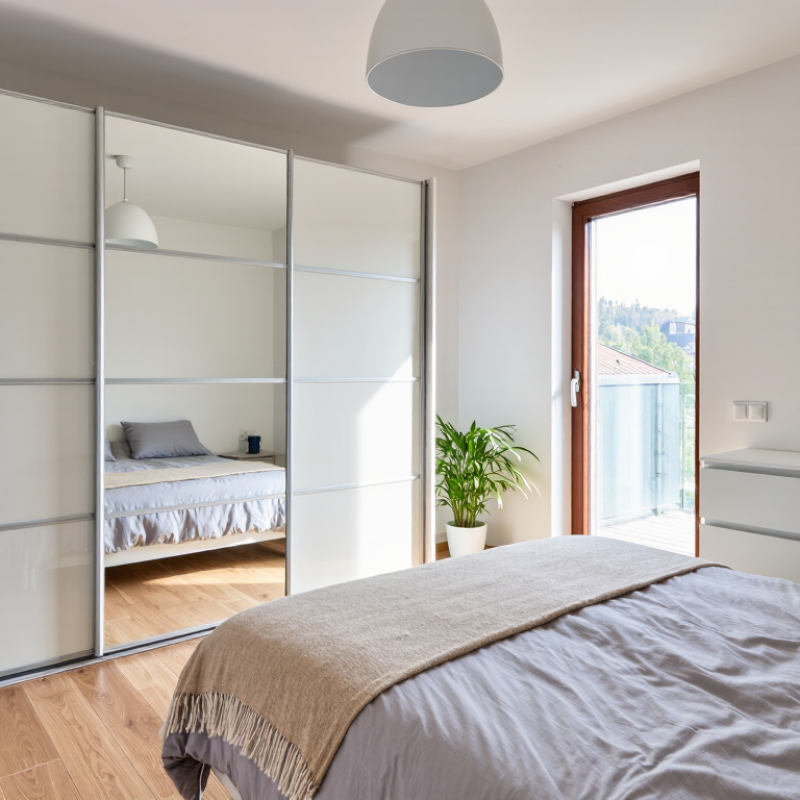
7 Best Pros and Cons of Sliding Wardrobe Doors?

What Sliding Wardrobe Doors Are and How They Work

7 Best Pros and Cons of Sliding Wardrobe Doors?
What Sliding Wardrobe Doors Are and How They Work

Sliding wardrobe doors are panels that move sideways along tracks instead of swinging into a room. Most systems use rollers fitted to the top or bottom of each panel. A track guides their movement, while small guides help keep the doors aligned. In a two-panel wardrobe, one door usually slides in front of the other. Only part of the storage space is open at a time.

The track and rollers carry most of the work, so accurate installation matters. A floor that is slightly uneven can affect how a door moves. Dust, loose fittings, or worn rollers may also cause sticking or rattling. Some systems have a bottom track; others hang from an upper track. Check the product specifications and your wardrobe opening before choosing. Sliding doors save clearance space, but they do not always make every shelf easy to reach.

Tips: Measure the opening at several points, since walls and floors may not be perfectly square. Keep tracks clear of dust, and check the rollers if movement becomes rough. A smooth glide is helpful, but it should not be the only factor; consider access, panel weight, and maintenance too.

Sliding Wardrobe Doors: 7 Key Pros and Cons

Most sliding wardrobe doors use rollers that move panels along tracks. The panels slide sideways and overlap, so they do not swing out into the room.

How to read this chart: Each bar classifies one common consideration: +1 indicates an advantage and −1 indicates a trade-off. The values show category, not the size or frequency of an effect. Sliding doors save swing clearance, but only the sections behind open panels are accessible at a time.

Common Types and Materials of Sliding Wardrobe Doors

Sliding wardrobe doors commonly use bypass tracks, where panels overlap, or top-hung systems, where rollers carry each door from an overhead rail. Bottom-rolling tracks support the panels at floor level and can suit heavier doors, but their channels collect dust. Frameless panels create a clean look; framed versions feel sturdier around the edges. Small details matter. Check that the track is level and accessible for cleaning.

Materials shape weight, price, and upkeep. MDF and particleboard accept smooth paint or laminate finishes, though both need well-sealed edges around moisture. Plywood is often lighter and holds screws well, but its layered edge may remain visible. Mirrored or glass panels brighten a dim dressing area, yet add weight and need careful handling. Aluminum frames can keep large panels rigid. FAO’s 2023 forest-products statistics report global wood-based-panel output at roughly 400 million cubic metres, showing how widely engineered panels are used; that figure is not specific to wardrobes. In practice, material quality varies, even within the same category. Check panel thickness, edge sealing, roller access, and door weight against the track’s rating. A beautiful finish can still disappoint if the frame flexes or the rollers rattle.

Key Advantages of Sliding Wardrobe Doors

Sliding wardrobe doors are useful where a hinged door would block a bed, desk, or walkway. Because the panels move along a track, they need little clearance in front of the wardrobe. In a narrow bedroom, that can make it easier to pass through with a laundry basket or open a bedside drawer. Less wasted floor space.

Large sliding panels can also create a calmer, more continuous look across a wall. A mirrored finish may reflect daylight from a nearby window and make a compact room feel brighter. It will show fingerprints, though, and needs regular wiping. Plain, light-coloured panels can offer a similar sense of openness without the extra upkeep.

Sliding doors provide broad access to stored items, but usually only one section of the wardrobe is open at a time. Good track alignment matters: doors that are poorly fitted may drag or rattle. Check that the track is sturdy and easy to clean, especially if dust collects near the floor. The convenience is real, but not effortless.

Potential Drawbacks and Practical Limitations

Sliding wardrobe doors save floor space, but that benefit depends on a clean, level track. Dust, hair, and grit collect in the lower channel. Rollers may then feel rough or click as the doors move. Cleaning is easy, yet often overlooked. They need room. Because panels overlap, you cannot open the entire wardrobe at once. Reaching a suitcase behind the other panel can be awkward.

The track also creates a practical limitation: a small object or uneven floor may stop a door from gliding smoothly. Check that the floor is level before installation, especially in older rooms. Heavy mirrored panels can require sturdy fittings and careful handling. Sliding doors may also offer less privacy than hinged doors, since small gaps can remain at the edges. I once assumed the overlap would hide everything; it did not.

Tips: Vacuum the track regularly and wipe it with a dry cloth. Measure the opening and the items you store before choosing the layout. Leave access for track cleaning, and test the doors after installation. A slightly stiff glide is easy to dismiss at first, but daily use makes it noticeable.

Factors to Consider Before Choosing Sliding Wardrobe Doors

Factors to Consider Before Choosing Sliding Wardrobe Doors

Measure the opening, then check how much access each panel leaves. Sliding doors overlap, so you cannot open the full wardrobe width at once. A 60-inch opening may provide only about half that space at a time. That matters when two people share a closet or bulky drawers sit inside. The U.S. Access Board’s ADA Standards specify a 32-inch minimum clear opening for accessible doorways; this is a useful comparison, not a rule for private wardrobes. Measure twice. Also check ceiling height, floor level, and whether the track can be fixed securely. A slightly uneven floor can make panels drift or scrape.

Think about daily use, not only appearance. Mirrored panels brighten a narrow room, but fingerprints and reflections may become irritating. Heavy doors need suitable tracks and careful installation. Dust can collect in the lower channel, especially near carpet. AARP’s 2021 Home and Community Preferences Survey found that 77% of adults aged 50 and older want to remain in their homes as long as possible. That finding does not prove sliding doors improve accessibility, but it supports planning for comfortable reach and easy operation over time. Test a sample panel if possible. A smooth showroom glide may feel different after months of use, and that part is easy to underestimate.

7 Best Pros and Cons of Sliding Wardrobe Doors: Factors to Consider Before Choosing

Factor Advantages Disadvantages What to Consider
1. Floor space Doors slide along a track rather than swinging outward, leaving more clear floor space in front of the wardrobe. The door panels overlap, so part of the wardrobe opening is covered at any one time. Useful in narrow rooms, but check that you can comfortably reach every section of the interior.
2. Access to contents The panels can be moved aside without needing space for a door swing. You generally cannot open the entire wardrobe at once, which can make it harder to view or reach items across its full width. Plan drawers, shelves, and hanging sections around the opening available when the panels overlap.
3. Room appearance Large, continuous panels can create a streamlined look and may make a small room feel less visually busy. Broad panels may dominate a small room, and visible tracks or panel joins may not suit every interior style. Consider panel colour, finish, proportions, and how the doors will look alongside other room features.
4. Tracks and maintenance Well-aligned panels can glide smoothly and do not rely on hinges swinging into the room. Dust and debris can collect in the tracks; rollers or tracks may need cleaning, adjustment, or repair over time. Check that the track is accessible for cleaning and that the doors can be adjusted if they become difficult to slide.
5. Installation and alignment Sliding doors can work well with fitted wardrobes and wide openings when the tracks are installed correctly. Uneven floors, walls, or openings can make fitting and alignment more challenging and may affect how smoothly the panels move. Measure the opening carefully and check floor and wall levels before choosing a door system.
6. Materials and weight A range of panel materials and finishes can suit different budgets and design preferences. Heavier panels require a suitable track and secure installation; large panels can also be more awkward to handle during fitting. Match the track system to the panel’s size and weight, and follow the installation guidance for the materials selected.
7. Cost and long-term value They can be a practical choice when saving floor space is a priority, particularly in a compact room. Total cost varies with measurements, materials, track quality, and installation; repairs to specialised components may add expense. Compare the complete installed cost and expected maintenance with hinged doors before deciding.

FAQS

How do sliding wardrobe doors work?

Panels move sideways on tracks, using rollers and guides to stay aligned. In a two-panel wardrobe, one door usually sits in front of the other.

Do sliding doors save room?

Yes. They need little clearance, so a bed, desk, or walkway can sit closer to the wardrobe. Handy in a narrow bedroom.

Can I open the whole wardrobe at once?

Usually not. One panel covers part of the opening, so only one section is accessible at a time.

What can make a sliding door stick or rattle?

Dust, loose fittings, worn rollers, or an uneven floor can affect movement. Sometimes the cause is not obvious.

How should I measure for sliding wardrobe doors?

Measure the opening at several points, including its height and width. Walls and floors may be slightly uneven.

Are mirrored sliding doors a good choice?

They can reflect daylight from a nearby window and make a compact room feel brighter. Fingerprints show easily, though.

Do sliding wardrobe doors need much maintenance?

Keep the tracks clear of dust and check the rollers if movement becomes rough. A quick clean can help.

What should I check before choosing a sliding door system?

Check the wardrobe opening, track type, panel weight, and how easy the track is to clean. A smooth glide is not everything.

Conclusion

Sliding wardrobe doors move horizontally along tracks, making them a practical alternative to doors that swing outward. They come in different styles and materials, such as mirrored, glass, wood, or composite panels, allowing them to suit a range of rooms and storage needs. What are the pros and cons of sliding wardrobe doors? Their main advantages include saving floor space, creating a streamlined look, and offering broad design options. Mirrors can also make a room feel brighter and more open.

However, sliding doors usually reveal only part of the wardrobe at a time, and their tracks may need regular cleaning and adjustment. Panels can also become difficult to move if the runners wear or the doors are poorly aligned. Before choosing this style, consider the wardrobe’s dimensions, the quality of the tracks, the room’s layout, the materials’ durability, and how easily you need to access the contents.

Oliver

Oliver

Oliver is a seasoned marketing professional with a wealth of expertise in driving brand awareness and engagement. With a deep understanding of our company's product offerings, he consistently delivers high-quality content that enriches our professional blog. His insights not only shed light on......