How to Organize Your Small Walk-in Wardrobe Efficiently?

Time:2026-04-13 Author:Ethan
0%

Creating an efficient small walk-in wardrobe can significantly enhance your daily routine. Understanding how to organize a small walk-in wardrobe is essential. A well-organized space reduces stress and saves time when choosing outfits. Think about the limited space available and how to maximize it effectively.

Start by evaluating your current setup. Which items do you use regularly? Identify the essentials and the rarely worn pieces. This reflection can reveal what truly needs space in your wardrobe. In small areas, clutter can build up quickly. Limit the items to what you need and love.

Consider using versatile storage solutions. Shelves, hooks, and baskets can help create a visually appealing and practical space. Reflect on your habits and preferences. Personalization matters. An efficient wardrobe should reflect your style and ease of access. Let this guide inspire you toward achieving a functional, beautiful small walk-in wardrobe.
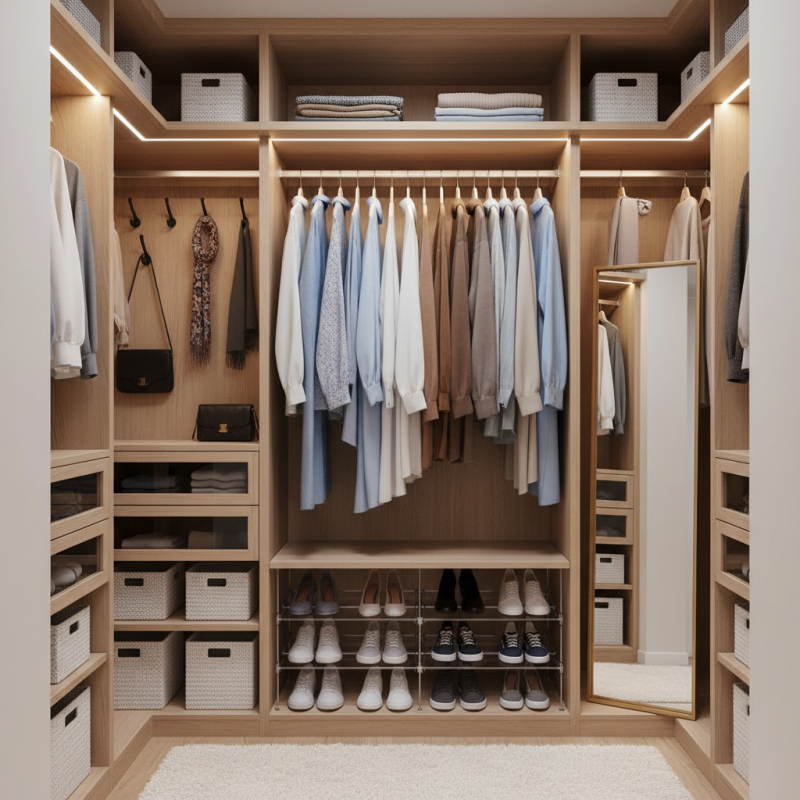
How to Organize Your Small Walk-in Wardrobe Efficiently?

Understanding Space Utilization: Key Metrics for Walk-in Wardrobe Design

Creating an efficient walk-in wardrobe starts with understanding space utilization. Key metrics guide you in maximizing your limited area. First, consider the dimensions of your wardrobe. Measure the height, width, and depth accurately. This data allows you to plan every inch effectively.

Next, utilize vertical space. Install shelves at varying heights. This approach offers storage for both shoes and accessories. Hooks and pegboards can organize bags and scarves neatly. Visual clutter can arise if items are not categorized. Regularly review your arrangement and adjust layouts based on user patterns.

A common mistake is overcrowding. It’s tempting to fill every space. However, leaving some room fosters a more organized feel. If you struggle with decisions, consider the 80/20 rule. If 80% of your clothes are never worn, reevaluate your collection. Reflecting on functionality and aesthetic can transform a cramped space into a serene wardrobe. Balancing practicality with style is essential for a successful design.

Essential Organization Tools: Hangers, Bins, and Shelving Systems

Organizing a small walk-in wardrobe can feel daunting. However, essential organization tools can make a significant difference. Hangers, bins, and shelving systems are key to maximizing space and improving functionality.

Choosing the right hangers is crucial. Opt for slim, non-slip styles to save space while preventing clothes from sliding off. Consider color-coded hangers for easy sorting. It's a small change that can streamline your selection. Bins should be utilized for shoes and accessories. Label them clearly. That way, you quickly find what you need. Stackable options can further optimize vertical space.

Shelving systems enhance accessibility and organization. Install adjustable shelves to accommodate items of varying sizes. Place frequently used items at eye level. You might find it helpful to declutter periodically. A messy space is often a reflection of items stored haphazardly. Reflect on what you use regularly and what you can donate. Embracing simplicity can lead to a more efficient wardrobe.

Categorizing Clothing: Seasonal and Functional Sorting Best Practices

Organizing a small walk-in wardrobe can be a challenge, but categorizing clothing can make it manageable. Start by sorting your clothes seasonally. Separate winter coats from summer dresses. This approach helps you access appropriate pieces quickly.

Functional sorting is equally important. Group similar items together. Keep work clothes in one area and casual wear in another. This reduces the time spent searching for outfits. Color-coding your clothing adds visual appeal.

Tips: Regularly reassess your wardrobe. What haven't you worn in months? Consider donating items that no longer serve you. Use storage boxes for off-season clothes to maximize space. Lastly, allow room for growth. Your wardrobe should evolve with your style.

Maximizing Accessibility: The Role of Lighting and Layout in Wardrobe Efficiency

Lighting and layout significantly impact the efficiency of your small walk-in wardrobe. A recent study by the American Lighting Association emphasizes that proper lighting can enhance visibility by up to 80%. This improvement leads to quicker outfit selections and reduces frustration. Natural light is ideal, but where that's lacking, soft LED lights can mimic daylight. These options help to illuminate darker corners, ensuring that every item is visible.

The layout of your wardrobe also affects accessibility. A survey conducted by the Closet and Storage Association found that 70% of homeowners report time wasted in poorly organized wardrobes. Arrange clothes by type and color to make searching easier. Consider adding shelves for shoes and accessories. Hanging organizers can prevent clutter. Yet, many people overlook the flow of space. If the path to your most-used items is blocked, it can create frustration.

It's worth noting that even the best layouts may require tweaks over time. As your wardrobe evolves, so should your organization methods. Reflect on what items you frequently access and rearrange accordingly. Regular assessments ensure that your walk-in wardrobe remains efficient and functional, preventing the chaos from creeping back in.

Maintenance Tips: Strategies for Keeping Your Wardrobe Organized Long-term

Maintaining an organized small walk-in wardrobe requires ongoing effort and strategic planning. According to a survey by the National Association of Professional Organizers, 65% of people struggle to maintain order in their wardrobes after an initial organization. This statistic highlights the need for effective maintenance tips to keep your space functional and visually appealing.

Regularly evaluate your clothing items. Acknowledge that not every piece will match your evolving style. Consider the "one in, one out" rule. For every new item you acquire, remove one to prevent overcrowding. This simple strategy prevents the overwhelm that occurs when clothes pile up. Also, seasonal rotations can prevent unwanted clutter. Store out-of-season garments in bins, keeping only current-season items accessible.

Invest time each month to reassess your wardrobe’s content. Create a schedule for a mini declutter. Even professionals recommend setting aside 10-15 minutes every few weeks. This makes a significant impact over time. Use clear, labeled bins to easily track items that may not fit into your current wardrobe. Frequent reflection can highlight what you truly value, urging you to keep or let go of items with less significance.

How to Organize Your Small Walk-in Wardrobe Efficiently? - Maintenance Tips: Strategies for Keeping Your Wardrobe Organized Long-term

Category Items to Include Organization Strategy Maintenance Tips
Clothing Shirts, Pants, Dresses Group by Type Seasonal Rotation
Footwear Shoes, Boots, Sandals Use Clear Bins Regular Cleaning
Accessories Bags, Belts, Jewelry Use Dividers Check for Duplicates
Seasonal Items Winter Coats, Summer Clothes Label Boxes Annually Review
Cleaning Supplies Lint Rollers, Fabric Spray Keep Handy Check Expiration Dates

FAQS

: How can I choose the right hangers for my wardrobe?

: Opt for slim, non-slip hangers. They save space and prevent clothes from slipping off.

What’s an effective way to organize accessories and shoes?

Use bins and label them clearly. This helps in quickly finding what you need.

How should I arrange my clothing in a small wardrobe?

Sort clothes seasonally and by function. This reduces searching time for outfits.

What lighting options enhance wardrobe efficiency?

Natural light is best. If unavailable, use soft LED lights to brighten dark corners.

Why is the layout of my wardrobe important?

A good layout improves accessibility and reduces time spent searching for items.

How often should I declutter my wardrobe?

Regularly reassess every few months. Donate items you haven't worn in a while.

Can I add shelves to my wardrobe?

Yes, adjustable shelves can accommodate items of various sizes and improve organization.

How can color-coding my clothes help?

Color-coding adds visual appeal and makes searching for specific items easier.

What if my wardrobe organization doesn’t work over time?

Reevaluate your layout periodically. Organizational needs may change as your wardrobe evolves.

Is it necessary to allow room for new clothes?

Yes, your wardrobe should adapt to your style changes. This prevents overcrowding.

Conclusion

In "How to Organize Your Small Walk-in Wardrobe Efficiently," the article emphasizes the importance of space utilization and effective design metrics tailored for walk-in wardrobes. It provides insights into essential organization tools such as hangers, bins, and shelving systems that can significantly enhance storage capabilities. Key strategies for categorizing clothing, focusing on seasonal and functional sorting, are highlighted to facilitate easier access and management of wardrobe items.

Additionally, the article discusses maximizing accessibility through thoughtful layout and appropriate lighting, which can make a small wardrobe feel more spacious and organized. To maintain long-term organization, practical maintenance tips are offered, ensuring that readers can keep their small walk-in wardrobe efficient and clutter-free. Overall, understanding how to organize a small walk-in wardrobe effectively can lead to a more enjoyable and streamlined dressing experience.

Ethan

Ethan

Ethan is a seasoned marketing professional with a deep expertise in our company's innovative product line. With a passion for sharing knowledge and insights, he takes the lead in regularly updating our corporate blog, where he explores industry trends, product features, and effective marketing......