When selecting bathroom furniture, one fundamental question arises: Why is moisture resistance important for bathroom furniture? Bathrooms are unique spaces where humidity levels fluctuate dramatically. Water from showers, baths, and sinks can damage furniture made from ordinary materials. Moisture can cause warping, peeling, and mold growth.
Choosing the right materials and finishes is essential. High-quality furniture often features moisture-resistant properties. This means it can endure the damp conditions of a bathroom without deteriorating. Without these features, even seemingly sturdy pieces may succumb to water damage.
Furthermore, the aesthetic value of your bathroom can diminish when furniture shows signs of wear or degradation. Investing in moisture-resistant furniture ensures longevity and maintains the overall look of your space. This thoughtful decision reflects both knowledge and practical experience in creating a functional, stylish bathroom environment. It’s not just about durability; it’s about making informed choices that enhance your home.
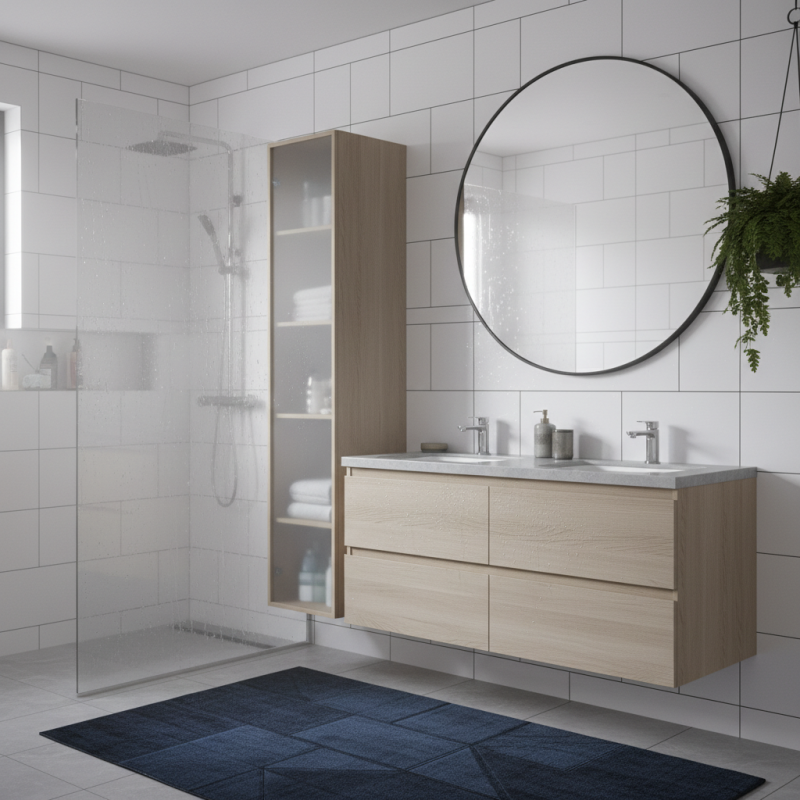
When choosing bathroom furniture, moisture resistance is often overlooked. This feature plays a crucial role in the longevity and functionality of your pieces. Bathrooms are naturally humid, and exposure to moisture can lead to damage over time. Furniture without proper moisture resistance is prone to warping, swelling, and even mold growth.
Selecting materials like waterproof plywood or MDF with a water-resistant coating can make a big difference. Look for surfaces that are sealed properly. It’s essential to consider how often your bathroom experiences steam and water splashes. If you have a small or poorly ventilated space, this factor becomes even more significant.
Tips: Evaluate the construction quality of the furniture. Avoid lightweight options that may not withstand humidity. Regular maintenance, like applying a protective sealant, can extend the life of your furniture. Remember, not all moisture-resistant materials are created equal. Research and choose wisely to ensure durability in the long run.
Bathrooms present unique challenges for furniture due to their specific environmental conditions. High humidity levels are common, often exceeding 60%. This moisture can warp, mold, and deteriorate most materials if not properly addressed. Reports suggest nearly 50% of all bathroom furniture suffers from moisture-related damage within the first five years of use. This statistic underscores the necessity of selecting moisture-resistant materials.
Ventilation plays a critical role. Many bathrooms lack adequate airflow, leading to trapped moisture. Without airflow, wood and other organic materials can absorb excess humidity, creating an ideal environment for mold growth. Research indicates that mold thrives in spaces with consistent humidity levels above 70%. Regular maintenance, such as checking for leaks and excessive condensation, is essential but often overlooked by homeowners.
Consumer awareness about moisture resistance remains limited. Many individuals assume that a natural wood finish will suffice. However, industry guidelines recommend specifically engineered materials for bathroom use. It’s important to regularly review the condition of bathroom furniture. Noticing small signs of wear can prevent bigger problems from arising later. Prioritizing moisture-resistant solutions protects not only the furniture but also the overall health of bathroom environments.
When it comes to bathroom furniture, moisture resistance is key. Bathrooms are inherently humid environments. Steam from showers and baths leads to water damage if materials are not chosen wisely. Professionals recommend using moisture-resistant materials to avoid deterioration over time. For example, medium-density fiberboard (MDF) is commonly used due to its affordability and strength. However, untreated MDF can warp and swell with excessive moisture.
Another excellent option is marine-grade plywood. This material is designed to withstand high moisture levels. Studies show that marine-grade plywood can last up to 50% longer than regular plywood in humid conditions. Additionally, fiberglass and PVC carry high resistance to water. These materials do not absorb moisture or support mold growth. Consequently, they provide durability, making them ideal for shower surrounds and vanities.
Despite these options, not all treatments or coatings guarantee complete protection against moisture. Even moisture-resistant materials can fail if they are not properly maintained. Regular inspections are essential to identify any signs of damage early. This approach can help homeowners avoid costly replacements in the long run. Investing in quality materials and maintenance is crucial for prolonging the life of bathroom furniture.
Moisture significantly affects the longevity and aesthetics of bathroom furniture. When water seeps into materials, it can cause warping, swelling, or even rotting. This deterioration impacts not just durability but also the overall look of the furniture. A once-beautiful cabinet may develop unsightly scars, undermining its intended elegance.
The bathroom's humid environment makes it particularly challenging for furniture. High humidity levels can lead to mold growth, which poses health risks. Regular exposure to water should prompt homeowners to consider moisture-resistant options. However, some finishes can disguise potential damage temporarily. This can result in a false sense of security. It’s essential to be aware that neglecting proper maintenance can lead to bigger issues down the road.
Investing in quality materials is a proactive approach. Solid wood, while appealing, requires special care to resist moisture. Current trends show a shift toward synthetic materials that can endure bathroom conditions. Yet, these materials often lack the warmth of wood. Finding the right balance between durability and aesthetic appeal is vital. Ultimately, understanding the impact of moisture can guide better choices for your bathroom furniture.
Moisture resistance is essential for bathroom furniture due to the high humidity levels in these spaces. To enhance the lifespan of your furnishings, consider several maintenance tips. One effective method is to apply a protective sealant to surfaces. This creates a barrier against moisture and helps prevent swelling or warping. Regularly reapplying the sealant is crucial, as wear can reduce its effectiveness.
Ventilation plays a critical role in moisture management. Ensure your bathroom has exhaust fans that remove excess humidity. Open windows when possible to allow fresh air circulation. Also, keep a check on any leaks around sinks or toilets. Repairing leaks promptly helps avoid long-term damage to your furniture.
Using moisture-resistant materials is beneficial, but no product is entirely foolproof. Even with careful installation, unforeseen issues can arise. It's wise to inspect furniture regularly for signs of wear or damage. Don’t dismiss small issues, as they can escalate quickly. A proactive approach ensures your bathroom furniture remains in good condition amidst challenging moisture levels.
: Moisture resistance protects furniture from humidity damage, such as warping and mold growth.
Good options include waterproof plywood, MDF with coatings, marine-grade plywood, fiberglass, and PVC.
Check if surfaces are sealed properly and research the quality of materials used in construction.
Apply a protective sealant regularly and check for leaks around sinks and toilets.
Regular inspections and reapplication of sealant are crucial. Don’t ignore small signs of damage.
Yes, poor ventilation increases humidity, making it vital to ensure proper air circulation.
Untreated MDF can warp, swell, and deteriorate quickly when exposed to moisture.
No, even moisture-resistant materials can fail without proper maintenance.
Ensure proper ventilation and regularly inspect for any leakage or moisture accumulation.
Yes, quality materials can significantly prolong furniture life, saving costs on replacements in the long run.
Moisture resistance is crucial for bathroom furniture due to the unique environmental conditions present in this space. Bathrooms often experience high levels of humidity and frequent water exposure, which can lead to issues such as warping, mold growth, and degradation of materials. Understanding why moisture resistance is important for bathroom furniture helps homeowners select the right materials, ensuring longevity and aesthetic appeal.
Common materials used in moisture-resistant bathroom furniture include treated wood, laminates, and synthetic options that can withstand the damp atmosphere. Proper maintenance, such as regular cleaning and using protective coatings, can further enhance the durability and resilience of these furnishings. By prioritizing moisture resistance, one can ensure that bathroom furniture remains both functional and visually pleasing over time.