Squeaky cabinet hinges can be a frustrating problem in any home. They often disrupt the peace in your kitchen or bathroom. You may wonder, "Why do my cabinet hinges keep squeaking?" This issue is usually caused by friction between the metal surfaces. Over time, dust and grime can accumulate, increasing the noise.
Many homeowners face this issue. Ignoring it can lead to further wear. Fortunately, you don't have to replace your hinges to solve the problem. Simple maintenance can often be enough. A few drops of lubricant can make a huge difference. You can also try cleaning the hinges thoroughly to eradicate the grit.
Taking the time to address squeaky hinges can save you money. You not only fix the problem but also extend the lifespan of your cabinets. It’s a small task that can significantly improve your home environment. Embrace this opportunity to enhance your living space with minimal effort.
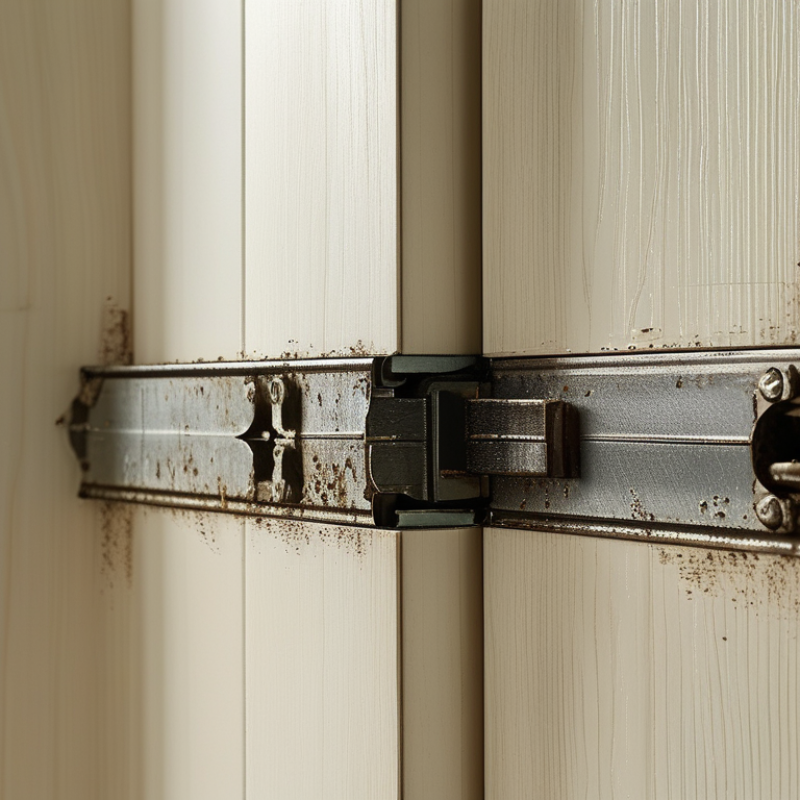
Squeaky cabinet hinges can be a frustrating household issue. Understanding the cause is essential for finding the right fix. Commonly, these noises arise from friction between metal surfaces. Over time, dirt and grease accumulate, hindering proper movement. Data from home improvement studies suggest that nearly 30% of homeowners report such issues with cabinetry. This indicates a widespread need for effective solutions.
To address squeaky hinges, a few simple tips can help. Start by cleaning the hinges thoroughly. Use a cloth to remove dust and debris. Apply a small amount of lubricant, such as silicone spray or WD-40. This allows the hinge to glide smoothly. Ensure you wipe away any excess to avoid buildup. It’s important to note that excessive lubrication can also lead to trapping dirt, worsening the problem over time.
Another useful approach is to check for loose screws. Tightening screws can significantly reduce noise levels. A study by a leading home maintenance association indicates that 40% of squeaks can be resolved through basic tightening. Pay attention to how the cabinet opens and closes. Regular maintenance not only preserves the cabinet's lifespan but also enhances your living space's overall comfort.
To fix squeaky cabinet hinges, you'll need a few essential tools and materials. A lubricant is key. Common choices include WD-40, silicone spray, or even cooking oil in a pinch.
A soft cloth is also necessary for cleaning. It helps to remove dirt and old grease from the hinges.
You'll want a small screwdriver to tighten any loose screws. Sometimes, wobbly hinges create noise. A cotton swab or a small brush can reach tight spots to apply lubricant accurately. Keep a rag nearby for any excess lubricant. This will prevent drips and mess on your cabinets.
While these tools cover the basics, awareness of your hinges' condition matters. Sometimes hinges may look fine but actually need replacing. Check for rust or significant wear. This attention to detail can save future headaches. It is important to remember that not all fixes work perfectly every time. You might need to reapply lubricant after a while. Patience is crucial in this process.
Squeaky cabinet hinges are a common annoyance in many homes. These sounds often stem from friction as the hinges move. Thankfully, you can fix this without replacing the hardware. A simple lubrication process can work wonders.
Begin by gathering your materials. You will need a clean cloth, a suitable lubricant such as WD-40, and a small brush or spray nozzle. Open the cabinet door fully to access the hinges easily. Inspect them for any visible dirt or debris. Wipe the hinges with the clean cloth to remove any buildup that may hinder proper lubrication.
Next, apply the lubricant. If using a spray, aim carefully at the hinge joints to avoid overspray. For a brush, apply a small amount directly to the moving parts. Ensure that the lubricant seeps into the crevices. Close and open the door a few times to work the lubricant in. This step is crucial; it allows the lubricant to spread evenly. Sometimes, a repeat application may be necessary if the squeaking persists. With patience and a few minutes of effort, you can restore peace to your kitchen or home.
Squeaky cabinet hinges can be a persistent annoyance. Many homeowners face this issue, wanting a quiet space without the hassle of replacements. Thankfully, there are several alternative methods to reduce those squeaks effectively.
One common technique is applying a lubricant. Options include household items like olive oil or petroleum jelly. These products can work wonders. A report by the National Kitchen and Bath Association indicates that over 45% of homeowners prefer simple solutions over complex repairs. Just a few drops can significantly minimize squeaking.
Tips: Avoid over-lubricating, as it can attract dust and grime, worsening the situation.
Another method involves tightening loose screws. A simple screwdriver can effectively secure hinges, eliminating annoying movements. The American Home Improvement Survey reports that 60% of cabinets have loose fixtures. Regular maintenance can extend the life of your cabinets.
Tips: Use a level to ensure hinges are aligned properly, preventing unwanted strain and noise.
Lastly, consider removing hinges to clean them thoroughly. Dust and debris build-up can exacerbate noise. This step might require more effort, yet it ensures long-term relief. Reflect on how often you perform basic maintenance; neglect can lead to more significant issues over time.
Squeaky cabinet hinges can be irritating. To prevent this noise, regular maintenance is essential. One effective method is to clean hinges, removing dust and grease. This simple action helps reduce friction and keeps hinges functioning smoothly.
Lubricating hinges on a routine basis is crucial. Use a light oil or silicone spray. Apply a small amount directly onto the hinge. This will create a protective barrier, minimizing noise. Remember, too much lubricant can attract dirt, which might lead to more issues later.
Inspecting cabinet hinges frequently is a good practice. Look for signs of wear and tear. If the hinges are misaligned, adjust them promptly. Tightening screws helps maintain stability. Small adjustments can save you from larger problems in the future. A little attention goes a long way in ensuring quiet and functional cabinetry.
: Squeaky hinges often result from friction between metal surfaces, worsened by dirt and grease.
Use a clean cloth to wipe away dust and debris from the hinges before applying lubricant.
Suitable options include silicone spray or WD-40 to help hinges glide smoothly without excess buildup.
Tightening loose screws can significantly reduce noise, as many squeaks come from fixtures not being secure.
Yes, olive oil or petroleum jelly can serve as effective lubricants for squeaky hinges.
Over-lubricating can attract dust and worsen squeaking; apply only a small amount.
Regular maintenance is essential; neglecting it can lead to more significant problems in the long run.
Yes, though more effort is needed, thorough cleaning can provide long-term relief from noise.
Squeaky cabinet hinges can be a common annoyance in many households, leaving many to wonder, "Why do my cabinet hinges keep squeaking?" The underlying cause often stems from friction due to a lack of lubrication or wear over time. Understanding this cause is essential for addressing the issue effectively.
To fix squeaky hinges without replacement, one can utilize simple tools and materials such as lubricant and a cloth. The step-by-step lubrication process involves cleaning the hinges and applying the lubricant properly. Additionally, alternative methods, like using household items, can also help reduce squeaking sounds. Finally, adopting preventive measures, such as regular maintenance and cleaning, can ensure your cabinet hinges remain quiet for years to come.
