Misaligned cabinet doors can be a common nuisance in any kitchen. They not only affect functionality but also the overall aesthetic of your cabinetry. Following the insights of John Harrison, a renowned cabinetry expert, "Proper alignment is crucial for both appearance and ease of use." This highlights the importance of knowing how to adjust cabinet doors that are misaligned.
Many homeowners struggle with figuring out the right adjustments needed to fix this issue. Some might attempt quick fixes without understanding the underlying problems. Understanding the mechanisms behind cabinet doors can make a significant difference. It’s not just about turning screws; it requires careful attention to detail and technique.
Cabinetry today incorporates various hinge styles and systems. Each may have its own adjustment methods. Whether it's a slight tilt or a complete misalignment, knowing the precise steps can save you time and frustration. Misalignment often presents a conflict: the door may hit adjacent surfaces or hang unevenly. This can irritate daily use and diminish your kitchen’s charm. Embracing the knowledge of how to adjust cabinet doors that are misaligned will provide the remedy you need for both aesthetics and functionality.
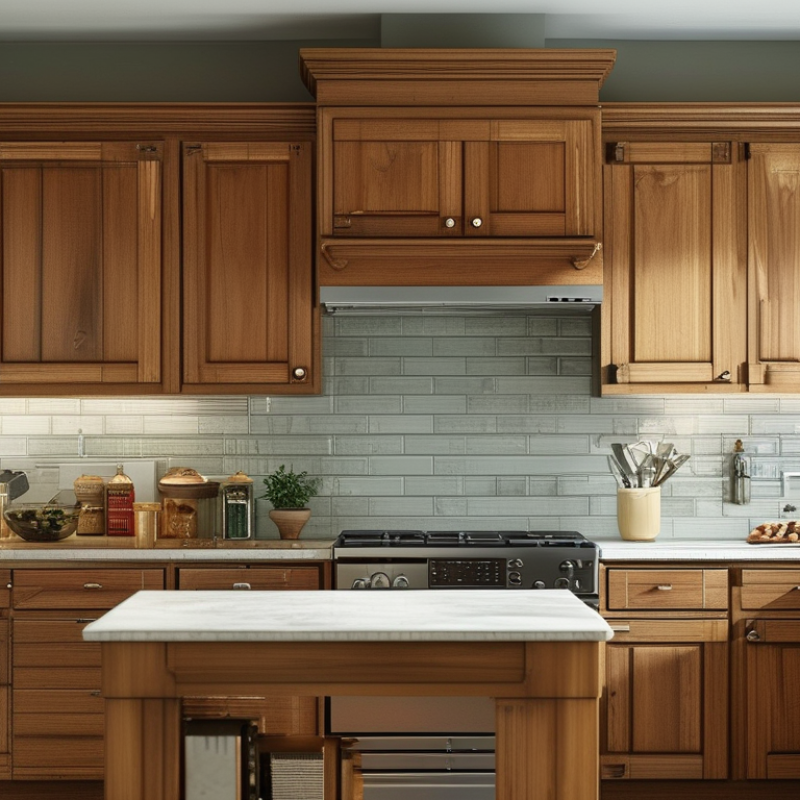
Cabinet doors can become misaligned for several reasons. One common cause is improper installation. Even a slight error during mounting can lead to doors that don’t line up correctly. According to a report by the Kitchen Cabinet Manufacturers Association, installation errors account for nearly 30% of misalignment issues. This highlights the importance of careful measurement and adjustment during the installation phase to prevent future problems.
Another factor to consider is the wear and tear of hardware. Over time, hinges and screws can loosen due to regular use. A survey conducted by Home Improvement Research Institute found that 25% of homeowners reported issues with cabinet door hardware failing after five years. This suggests that regular maintenance checks can help catch these issues early. Ensuring all components are secure can greatly improve the alignment and longevity of your cabinet doors.
Environmental changes can also play a role. Humidity and temperature fluctuations can cause wood to expand or contract. This is particularly significant in kitchen environments. A study from the National Association of Home Builders indicated that up to 35% of homeowners experience warping in wooden cabinets due to moisture. Homeowners should monitor their kitchen’s climate and make adjustments as needed, especially in humid regions.
Misaligned cabinet doors can be frustrating. Fortunately, fixing them requires a few simple tools and materials. A Phillips-head screwdriver is essential for adjusting hinges. You'll also need a level to ensure doors align perfectly. Another helpful tool is a measuring tape to verify the correct spacing between doors.
Begin by inspecting the hinges. Many reports indicate that about 30% of cabinet door misalignments stem from faulty hinges. Sometimes, the screws may loosen over time. Tighten them with your screwdriver. If hinges are damaged, consider replacing them. Ensure that you have replacement screws on hand, as they can rust or strip over time.
To achieve the best results, consider utilizing wood shims for minor adjustments. Studies show that slight elevation can improve door alignment by over 25%. With careful adjustments, you can bring those doors back to order, even if they're stubborn. Remember, not every cabinet is built the same. Each adjustment process might reveal new challenges to face. Engage with the craft and embrace the process, or you may find yourself facing misalignment again soon.
Misaligned cabinet doors can be a frustrating issue in any home. Fortunately, adjusting cabinet hinges is a manageable task. It allows for a cleaner, more functional kitchen or bathroom space. Begin by gathering your tools. You will need a screwdriver and a level. A level helps you see how far out of alignment the doors are.
Start by examining the hinges. Most cabinet doors have two or three hinges. Each hinge has screws that can be adjusted. If the door is too high or low, loosen the screws slightly. This gives you the flexibility to shift the door into place. After moving the door, tighten the screws again. Check the alignment with a level. Sometimes, it takes several adjustments to achieve the desired look.
Don't forget to assess the spacing between doors. A common mistake is focusing solely on vertical alignment. The gap between doors also matters. Adjusting the hinge plates may help. It may require multiple attempts to get it just right. Remember, minor imperfections are normal. Embrace the process of learning as you fine-tune your cabinet doors.
| Step No. | Action | Tools Needed | Estimated Time |
|---|---|---|---|
| 1 | Assess the alignment issue | None | 5 minutes |
| 2 | Loosen screws on hinges | Screwdriver | 10 minutes |
| 3 | Adjust the door position | None | 5 minutes |
| 4 | Tighten screws | Screwdriver | 5 minutes |
| 5 | Test the alignment | None | 3 minutes |
Misaligned cabinet doors can be frustrating. To ensure they stay aligned, regular checks are essential. Look for loose screws and adjust the hinges. Tightening them can often restore balance. If hinges are worn, consider replacing them. New hinges can make a significant difference in stability.
Humidity and temperature changes can cause doors to warp. This is often overlooked but can lead to long-term misalignment. Use a dehumidifier in the kitchen to maintain consistent humidity levels. It helps prevent warping and promotes the durability of your cabinets.
Cleaning is another often neglected aspect. Dust and grime can exacerbate alignment issues. Regularly clean the area around the hinges and materials. A simple wipe down can prevent long-term problems. Addressing these details shows a commitment to maintaining your cabinets. Each step you take can enhance the overall stability and longevity of your cabinet doors.
Misalignment of cabinet doors can be frustrating. Many homeowners struggle to achieve a perfect fit. According to recent industry reports, up to 30% of cabinet installations face alignment issues. Understanding common mistakes can save time and effort.
One frequent error occurs during the installation phase. Contractors sometimes skip using shims. This small step can be crucial. Proper shimming ensures that doors align with the cabinet frame. Without this, gaps can appear, leading to dissatisfaction. In addition, neglecting to check the hinges can cause sagging. Regular inspection of hinges can prevent misalignment.
Another common mistake is overlooking the use of a level. A simple leveling tool can provide significant benefits. Reports indicate that only 40% of DIY enthusiasts remember to use it. Relying solely on visual alignment may lead to inaccuracies. Additionally, improper tightening of screws can worsen the problem. If screws are overly tightened or not tightened uniformly, it may lead to warping. A balance in screw tension is critical for maintaining correct alignment.
: Common causes include improper installation, hardware wear, and environmental changes.
Installation errors account for nearly 30% of misalignment issues, highlighting the need for precise measurement.
Inspect hinges and screws regularly. Loosened hardware can cause alignment issues over time.
Humidity can cause wood to expand or contract, leading to misalignment in up to 35% of cases.
You will need a screwdriver and a level to check alignment effectively.
Skipping the use of shims is a frequent error that can lead to misaligned doors.
A leveling tool is crucial. Only 40% of DIY enthusiasts remember to use it, risking inaccuracies.
Adjust hinge screws gently and assess the spacing between doors for a better fit.
Yes, minor imperfections are common and require patience to fix properly.
Ensure a balanced tension in screws to prevent warping and maintain proper alignment.
In the article "How to Fix Misaligned Cabinet Doors in 2026," readers will learn effective strategies on how to adjust cabinet doors that are misaligned. The first step involves assessing the root cause of the misalignment, which could stem from various factors like loose hinges or improper installation. The article then lists essential tools and materials needed for the realignment process, ensuring that DIY enthusiasts are well-equipped for the task.
Following this, a comprehensive step-by-step guide is provided to adjust cabinet hinges correctly. The guide emphasizes the importance of making small adjustments gradually to achieve the desired alignment. Additionally, readers will find tips for ensuring the long-term stability of cabinet doors, thus preventing future misalignments. Finally, the article highlights common mistakes to avoid when aligning cabinet doors, helping readers achieve a professional finish while maintaining functionality.
