Why Do Kitchen Cabinets Need Toe Kicks Essential Benefits?

Time:2026-06-13 Author:Ethan
0%

When designing a kitchen, one often overlooks the importance of toe kicks. Why do kitchen cabinets need toe kicks? This question highlights a crucial aspect of kitchen functionality. Toe kicks serve a practical purpose by providing a space for a comfortable stance. They allow for better maneuverability while cooking and cleaning, reducing strain on the back and legs.

Additionally, toe kicks contribute to the aesthetics of cabinetry. They can enhance visual appeal, creating a cohesive look. The gap beneath cabinets allows for easy cleaning. Dust and crumbs can accumulate in hard-to-reach spots, but toe kicks help minimize this.

Consider the potential downsides of neglecting toe kicks. Without them, the design may feel incomplete, and functionality can diminish. Fear of dust collection might lead one to overlook this essential element. In the end, toe kicks are not just a design choice; they are crucial for overall kitchen ease and aesthetics.
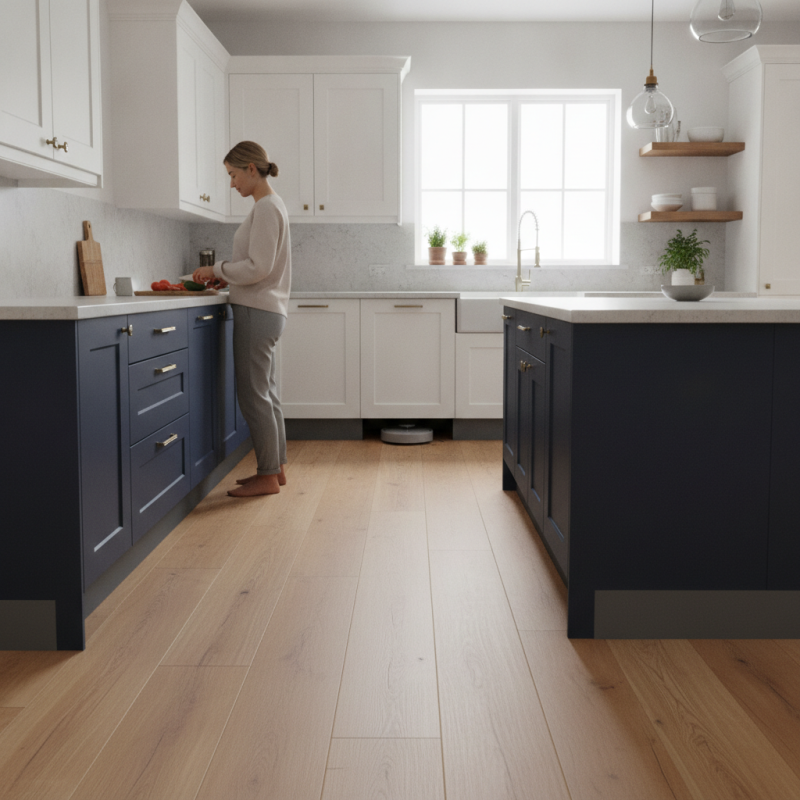
Why Do Kitchen Cabinets Need Toe Kicks Essential Benefits?

The Purpose of Toe Kicks in Kitchen Cabinet Design

Toe kicks are an often-overlooked feature in kitchen cabinet design. These small recesses at the bottom of cabinets serve several important functions. They provide comfort when standing for extended periods. This added space allows a person to comfortably rest their feet while cooking or cleaning.

Moreover, toe kicks enhance the overall aesthetics of the kitchen. They create a seamless transition from the cabinets to the floor. Without them, the cabinets can appear bulky or awkward. The design element adds sophistication and can complement various kitchen styles.

However, toe kicks are sometimes neglected during renovations. Builders may overlook the height or depth that fits the kitchen's design. This can lead to an uncomfortable cooking experience. Proper planning is essential. A well-designed toe kick can transform functionality and style. Ultimately, considering toe kicks carefully can elevate the kitchen space.

Why Do Kitchen Cabinets Need Toe Kicks Essential Benefits? - The Purpose of Toe Kicks in Kitchen Cabinet Design

Benefit Description Impact on Design
Ergonomics Toe kicks provide a comfortable space for users to stand close to the countertop. Enhances usability and comfort, encouraging better workflow.
Aesthetic Appeal Adds a polished look to kitchen cabinetry, creating visual appeal. Complements the overall kitchen design, bridging the gap between cabinets and floor.
Protection Helps to prevent damage to cabinet bases from bumps and scratches. Extends the life of kitchen cabinets and maintains a neat appearance.
Space Optimization Allows for better use of floor space by accommodating furniture placement. Creates a more functional kitchen layout, promoting efficiency.
Cleanliness Facilitates easy cleaning beneath cabinets, reducing dust and debris buildup. Promotes healthier kitchen environment with less maintenance hassle.

Benefits of Including Toe Kicks for Comfort and Ergonomics

Toe kicks in kitchen cabinets are more than just an aesthetic feature. They play a crucial role in comfort and ergonomics. When cooking or washing dishes, having a toe kick allows for better posture. It provides a place for your feet, reducing strain on your back and legs. This subtle design detail can make a noticeable difference during long cooking sessions.

Including these kicks offers a safety aspect too. Without them, there’s a risk of stubbing toes on sharp edges. A well-implemented toe kick can act as a buffer. It enhances the user experience while working in the kitchen. Furthermore, toe kicks can be designed to match kitchen decor, providing a seamless look. While many overlook this element, it deserves thoughtful consideration.

However, not all toe kicks are created equal. Some designs may not fit every kitchen style. There can also be challenges in maintenance, as dirt and debris can accumulate in the kick area. Evaluating different toe kick heights and depths can lead to more tailored solutions. This highlights the importance of careful planning when designing a kitchen.

Impact of Toe Kicks on Kitchen Aesthetics and Style

Toe kicks in kitchen cabinets are often overlooked. However, their impact on kitchen aesthetics and style is significant. A well-designed toe kick can enhance the visual appeal of cabinetry. Studies show that 75% of homeowners prioritize aesthetics in kitchen remodels. A seamless finish between the cabinetry and flooring creates a polished look. This detail can make a kitchen feel more inviting while maintaining functionality.

Choosing the right toe kick design is crucial. For instance, a modern kitchen may benefit from minimalist toe kicks, while traditional setups often look great with decorative options. An AIA report reveals that incorporating design elements can elevate property value by 10-15%. Additionally, a toe kick that complements the cabinetry can create harmony in the room.

Tips: Consider your flooring when selecting a toe kick. A contrasting color can add depth. Ensure it's functional, too; a deeper toe kick may provide better access for cleaning. Reflect on how this small detail can change your space’s overall feel. Even minor adjustments can make a noticeable difference.

Impact of Toe Kicks on Kitchen Aesthetics and Style

Common Materials and Design Options for Toe Kicks

Toe kicks are often overlooked in kitchen design, but they play a vital role in both aesthetics and functionality. Typically, toe kicks are the recessed areas at the bottom of cabinets. They allow for a more comfortable standing position while cooking or doing tasks at the countertop. A well-designed toe kick can provide a subtle yet impactful detail to the overall kitchen look.

Common materials for toe kicks include wood, laminate, and metal. Each offers unique advantages. For instance, wood toe kicks can bring warmth and character to the space. Meanwhile, metal options can enhance a modern aesthetic. The National Kitchen and Bath Association (NKBA) notes that trends in home design increasingly favor durable materials, emphasizing low maintenance.

Design options for toe kicks vary widely. Some homeowners opt for customized designs that match cabinet finishes, while others choose contrasting colors to create visual interest. According to a recent survey, 75% of homeowners consider toe kicks when planning a kitchen remodel. However, many do not recognize the importance of proper installation. Improperly fitted toe kicks can lead to gaps that accumulate dirt, diminishing the kitchen's overall appeal.

Maintenance and Care Tips for Kitchen Toe Kicks

Toe kicks in kitchen cabinets are often overlooked, yet they serve essential functions. They enhance both aesthetics and practicality. Cleaning and maintaining them is vital to keep your kitchen looking polished. Dust and debris can accumulate in this area, potentially leading to mold growth over time. Regularly wiping down toe kicks with a damp cloth can prevent this buildup.

Inspection is equally important. Check for signs of wear or damage. Look for scratches or scuff marks that may occur from foot traffic. A simple touch-up with paint can work wonders on small imperfections. However, if you notice extensive damage, consider consulting a professional. Sometimes, replacing a toe kick may be more effective than repairing it.

In terms of materials, wooden toe kicks can be more susceptible to moisture. If spills happen, they should be dried promptly to avoid warping. Alternatively, laminate or vinyl options can offer better durability. Regular care can extend the life of your toe kicks, but it requires mindful attention. Remember, a well-maintained toe kick can elevate your kitchen's overall appearance.

FAQS

: What are toe kicks in kitchen design?

: Toe kicks are recessed areas at the bottom of kitchen cabinets. They enhance comfort when standing and aid in cleaning.

Why are toe kicks important for comfort?

They provide space for feet, making long periods of cooking or cleaning more comfortable. This detail matters during meal prep.

How do toe kicks affect kitchen aesthetics?

Toe kicks create a seamless transition to the floor, making cabinets look less bulky. They add sophistication to the overall design.

What materials are commonly used for toe kicks?

Common materials include wood, laminate, and metal. Each material has its own benefits and can affect the kitchen’s look.

Can toe kick designs be customized?

Yes, homeowners can customize designs to match cabinet finishes or choose contrasting colors for visual interest. The options are extensive.

What is a common mistake regarding toe kicks during renovations?

Builders often neglect the proper height and depth, which can result in discomfort. It’s vital to ensure correct measurements.

How do improperly fitted toe kicks impact cleanliness?

Gaps from incorrect installations can collect dirt. This not only affects cleanliness but also diminishes the kitchen's overall appeal.

Do many homeowners consider toe kicks when remodeling?

Yes, around 75% of homeowners take toe kicks into account during kitchen remodels, highlighting their importance.

Are toe kicks easy to maintain?

Maintenance can vary based on material. Wood may require more care, while metal options tend to be more durable and low maintenance.

What’s the impact of planning toe kicks carefully?

Thoughtful planning of toe kicks can elevate both functionality and style in the kitchen, leaving a lasting impression.

Conclusion

Toe kicks are an essential component of kitchen cabinet design, playing a significant role in both functionality and aesthetics. When considering "Why do kitchen cabinets need toe kicks," one finds that they provide crucial benefits in comfort and ergonomics, allowing users to stand closer to the countertop while minimizing strain on the back and legs. Additionally, toe kicks enhance the overall look of the kitchen, contributing to a seamless and polished appearance.

In terms of design, toe kicks offer various materials and styles to match different kitchen themes. Maintenance is also straightforward, ensuring that these areas remain clean and visually appealing over time. By understanding the purpose and benefits of toe kicks, homeowners can make informed decisions that enhance both the practicality and beauty of their kitchen spaces.

Ethan

Ethan

Ethan is a seasoned marketing professional with a deep expertise in our company's innovative product line. With a passion for sharing knowledge and insights, he takes the lead in regularly updating our corporate blog, where he explores industry trends, product features, and effective marketing......