Maintaining the beauty of matte finish kitchen cabinets is essential for a polished look. Understanding how to clean matte finish kitchen cabinets effectively can help you preserve their elegance. Unlike glossy finishes, matte surfaces are more prone to showing fingerprints and smudges. This unique characteristic poses specific challenges in cleaning.
Using the right techniques is crucial. Gentle cleaning methods are recommended to avoid damaging the surface. For instance, avoid abrasive cleaners that can dull the finish. Instead, opt for a soft cloth and mild soap solution. This approach ensures that you do not unintentionally mar the beauty of your cabinets while keeping them hygienic.
Cleaning is not just about removing dirt. It's also about maintaining the integrity of the material. Regular care can extend the life of your cabinets. However, it’s easy to overlook certain areas, leading to buildup over time. Reflecting on your cleaning routine can uncover these missed spots. This awareness fosters a more comprehensive care approach.
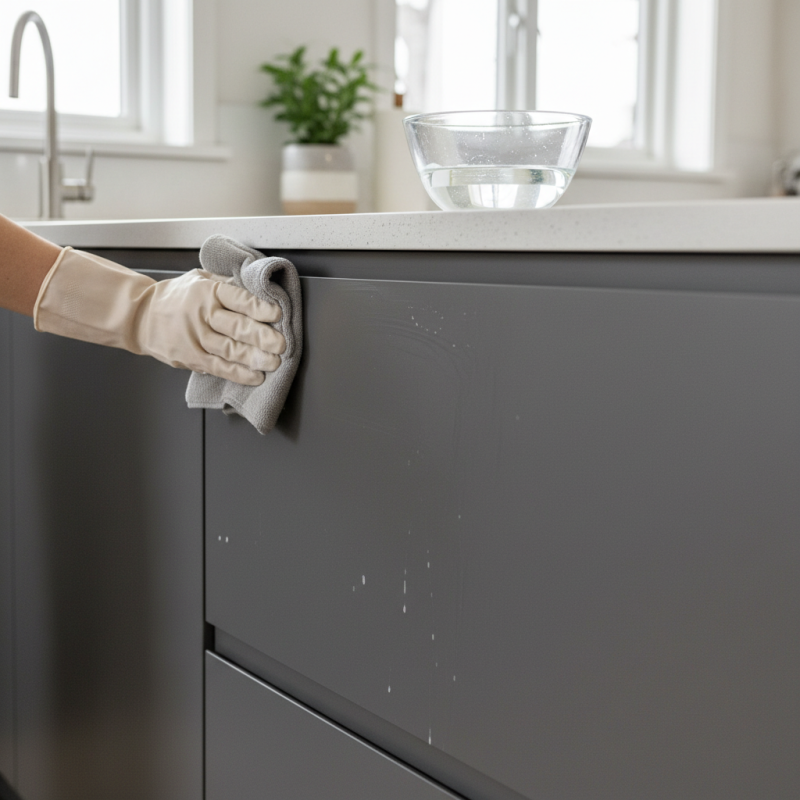
Understanding Matte Finish Kitchen Cabinets
Matte finish kitchen cabinets have gained popularity for their elegant, understated look. Unlike glossy finishes, matte surfaces tend to hide fingerprints and smudges better, creating an appealing kitchen atmosphere. According to the National Kitchen & Bath Association (NKBA), about 60% of home remodels now incorporate matte finishes, signaling a shift in design preferences.
Understanding matte finishes is crucial for maintenance. These surfaces are usually more porous than glossy ones, making them susceptible to stains and scratches. Homeowners often struggle to keep them looking pristine. A report by the American Society of Interior Designers (ASID) reveals that improper cleaning techniques can accelerate wear. Experts recommend using a mild soap and warm water solution instead of harsh chemicals. Frequent cleaning is essential but can also lead to dullness over time.
Physical attributes matter too. Matte finishes tend to absorb light, which can amplify imperfections like dust and uneven surfaces. While they offer a modern aesthetic, they also require more mindful upkeep. Regular inspections help identify areas needing attention. A small scratch can quickly become more noticeable, so being proactive is key. Without proper care, the beauty of these cabinets can quickly fade.
Common Challenges in Cleaning Matte Finishes
Cleaning matte finish kitchen cabinets presents unique challenges. These surfaces, while aesthetically pleasing, often show fingerprints, smudges, and dust. Research indicates that nearly 70% of homeowners struggle with these typical cleaning issues. Unlike glossy finishes, matte surfaces absorb light, making dirt more visible. This factor can lead to frustration when attempting to maintain their pristine appearance.
One main concern is the choice of cleaning agents. Many common cleaners can damage matte finishes. A study from the National Kitchen & Bath Association reports that 45% of homeowners unknowingly use abrasive or chemical-laden products that can scratch or dull the surface. It's crucial to select pH-balanced, gentle cleaners. Additionally, using soft microfiber cloths can prevent scratching, yet many people continue to use rough materials, unintentionally exacerbating the problem.
Another aspect worth considering is the frequent need for deep cleaning. Regular wipe-downs may not suffice. Accumulated grease or grime can form a persistent residue. Many users find themselves overwhelmed when they discover built-up dirt after a busy cooking session. A staggering 55% of respondents in a recent survey noted that they delay cleaning due to the complexity of the task. This cycle makes it vital to establish a consistent cleaning routine tailored specifically for matte finishes.
Essential Cleaning Supplies for Matte Cabinets
When it comes to cleaning matte finish kitchen cabinets, choosing the right cleaning supplies is crucial. Matte surfaces can be more challenging to maintain, as they easily show fingerprints and smudges. The cleaning solutions need to be effective yet gentle to avoid damaging the finish. According to a survey by the National Kitchen and Bath Association, 44% of homeowners are opting for matte finishes due to their modern look, but only 30% of them know how to clean them properly.
Essential cleaning supplies include microfiber cloths, which are non-abrasive. They can lift dirt without scratching the surface. A pH-balanced mild detergent mixed with warm water is effective for general cleaning. However, some users report that even this gentle solution can leave streaks if not rinsed properly. Regular use of these supplies helps maintain the beauty of the cabinets, but inconsistency can lead to buildup.
For tougher stains, a vinegar-water solution can be effective, but it should be diluted properly. Overusing vinegar can dull the finish over time. It's important to test any solution on a hidden area first. Keeping clean is straightforward but requires diligence. The right supplies combined with careful application can make a significant difference in the longevity of matte finish cabinets.
Essential Cleaning Supplies for Matte Finish Kitchen Cabinets
This bar chart illustrates the usage frequency of essential cleaning supplies for maintaining matte finish kitchen cabinets. The data indicates the number of times these supplies are used in a month, highlighting the importance of each item in cabinet care.
Step-by-Step Cleaning Process for Matte Cabinets
Cleaning matte finish kitchen cabinets requires a careful approach to preserve their unique texture. A study by the National Kitchen and Bath Association suggests that about 80% of homeowners prefer matte finishes for their aesthetic appeal. However, these surfaces are prone to fingerprints and smudges. The right cleaning method can help maintain their beauty without damaging the surface.
Start the cleaning process by removing all items from cabinet surfaces. Use a soft microfiber cloth to dust off loose debris. Prepare a gentle cleaning solution with water and a few drops of dish soap. Dampen the cloth with the solution, and wipe the cabinets gently, applying minimal pressure.
Avoid using abrasive cleaners, as they can scratch matte finishes. For tough stains, a mixture of vinegar and water can work wonders, but test it on a small area first.
After cleaning, rinse the cloth with plain water and wipe down the cabinets to remove any soap residue. Make sure to dry the surfaces immediately with a soft towel. Regular maintenance, such as wiping down cabinets weekly, can prevent buildup and keep your kitchen looking fresh. Recognizing when the finish needs a deeper clean is crucial; waiting too long can lead to stubborn stains that require more effort to remove.
Tips for Maintaining Matte Finish Over Time
Maintaining matte finish kitchen cabinets requires a thoughtful approach. These surfaces can be more prone to showing fingerprints and dust. Regular cleaning is essential to preserve their appearance. Use a soft microfiber cloth dampened with water to wipe down the surfaces. Avoid abrasive cleaners as they can scratch the finish. You might find a few stubborn marks, which can be tricky. While you can use a mild soap solution, test it first in an inconspicuous area.
Preventative measures can greatly help in maintaining matte finishes. Consider placing coasters or mats under items to avoid scratches. Do not lean heavily on cabinets; this can cause dents. Additionally, regular dusting with a soft cloth can minimize buildup. Remember, the finish can dull over time, so be prepared to reapply protective coatings as needed. A little wear and tear is normal; embrace it as part of your kitchen's story.
Stay mindful of the temperature and humidity levels in the kitchen. Extreme conditions can affect the longevity of your cabinets. If your cabinets start looking tired, don’t panic. A little extra attention during cleaning can restore their beauty. Ultimately, proper care will reflect your commitment to your kitchen's aesthetic.
FAQS
: Matte finishes show fingerprints and dust easily. Many homeowners find it frustrating to keep them clean.
Some cleaners can damage matte surfaces. Using abrasive products can scratch or dull their appearance.
Soft microfiber cloths are best. Avoid rough materials that can exacerbate scratches.
Regular wipe-downs may not suffice. Establishing a consistent cleaning routine can prevent buildup.
Mix water with a few drops of mild dish soap. Always test on a small area first.
Regularly dust with a soft cloth and avoid heavy pressure on the cabinets.
For stubborn marks, use a mild soap solution. Always test in an inconspicuous spot beforehand.
Extreme conditions can impact the longevity of finishes. Keep the kitchen environment stable.
Regular cleaning, protective coatings, and mindful care are essential in preserving their appearance.
yes, a little wear is normal. Embrace it as part of your kitchen’s story.
Conclusion
When considering how to clean matte finish kitchen cabinets effectively, it's essential to understand the unique characteristics of matte finishes. These cabinets can often present challenges during cleaning, as they are more susceptible to showing fingerprints, smudges, and dust compared to glossy finishes. To address this, having the right cleaning supplies is crucial. Non-abrasive cleaners, soft cloths, and gentle sponges are key tools for maintaining the integrity of the matte surface.
The step-by-step cleaning process involves dusting the cabinets, applying a suitable cleaner, and using a soft cloth to wipe away any grime without damaging the finish. Additionally, to preserve the matte finish over time, it's vital to maintain a consistent cleaning routine, avoid using harsh chemicals, and be mindful of water exposure. By following these guidelines, you can effectively keep your matte finish kitchen cabinets looking fresh and clean.

 Arpacılar Home