China Top 10 Differences Between Frameless and Framed Cabinets?

Time:2026-05-07 Author:Madeline
0%

When considering a kitchen renovation, one essential question arises: "What is the difference between frameless and framed cabinets?" Many homeowners struggle to understand the visual and functional distinctions between these two cabinet styles. A careful examination reveals more than just aesthetic qualities; each type has unique implications for design, space efficiency, and overall functionality.

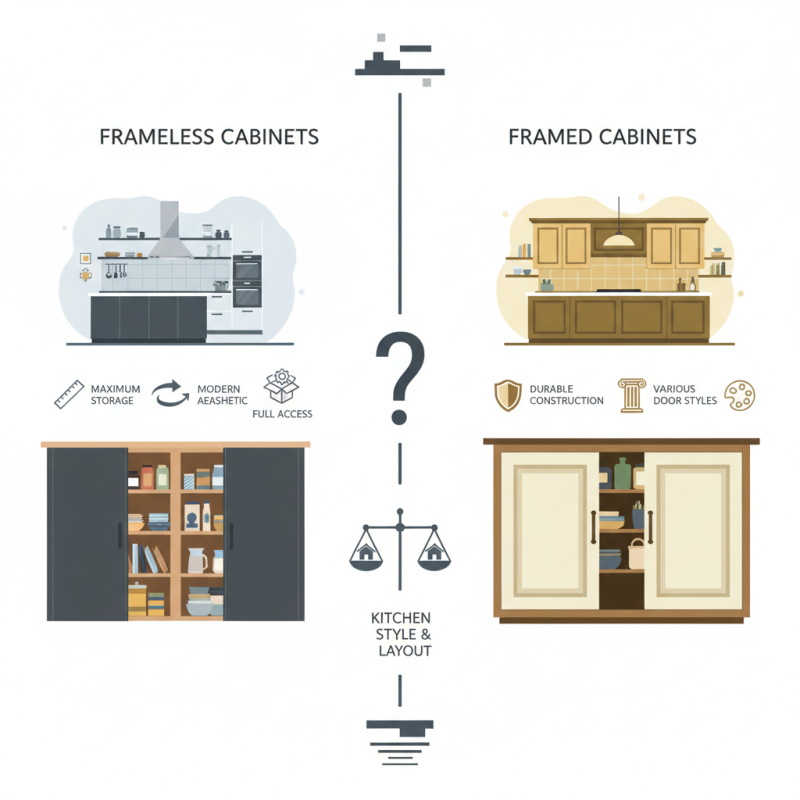
Frameless cabinets offer a modern, sleek appearance. They maximize storage space thanks to their lack of a front frame. Conversely, framed cabinets have a sturdy construction. They can support various door styles, giving a classic look to traditional designs. The choice between the two often hinges on personal preference and the desired kitchen ambiance.

Your kitchen's style and layout matter significantly. Frameless cabinets may be optimal for a minimalist approach, while framed options work well for cozy, traditional spaces. Understanding these differences is crucial. It can shape your kitchen’s functionality, storage choices, and even resale value. Ultimately, this decision impacts daily life in the heart of your home.
China Top 10 Differences Between Frameless and Framed Cabinets?

Frameless Cabinets: Definition and Key Characteristics Explained

Frameless cabinets offer a modern aesthetic and practical benefits for homeowners. Defined by their lack of a frame, these cabinets maximize storage space. The seamless design allows for easier installation. According to a recent industry report, frameless cabinets can increase storage capacity by up to 15% compared to framed options. This feature is appealing for smaller kitchens where every inch counts.

One key characteristic of frameless cabinets is their durability. Without a frame, the cabinet boxes are typically made from thicker materials. This enhances strength and stability. Additionally, they often come with soft-close mechanisms, providing a smooth, noise-free experience. However, they may require more skill during assembly. Homeowners should be aware that not all designs are equally resilient.

Tip: Always check weights and materials when choosing cabinets. Ensure that they meet your specific needs.

It's important to note that frameless cabinets may not suit every design preference. They tend to have a more minimalist look. Some homeowners prefer the traditional charm of framed cabinets. Both types have pros and cons, and assessing your space is essential.

Tip: Visualize how each cabinet style aligns with your kitchen's overall design before making a decision.

China Top 10 Differences Between Frameless and Framed Cabinets

Aspect Frameless Cabinets Framed Cabinets
Construction Method Panel construction without a frame Includes a frame structure
Storage Space Maximized interior space Slightly less interior space due to the frame
Door Style Full overlay or half overlay Partial overlay or inset
Aesthetic Appeal Sleek, modern look Traditional, classic design
Construction Cost Generally less expensive Typically more expensive
Durability Excellent durability due to lack of weak points Can be durable, but frame may weaken over time
Customization Highly customizable in design Customization limited by frame style
Installation Easier and quicker installation More complex installation process
Weight Generally lighter Typically heavier due to frame material
Popularity Gaining popularity among modern homeowners Still preferred in traditional settings

Framed Cabinets: Definition and Unique Features Unveiled

Framed cabinets are a popular choice in kitchen design. They feature a distinctive structure that enhances both durability and aesthetics. The frame surrounds the cabinet doors, creating a sturdy base. This design makes installation straightforward. The presence of a frame allows for more flexibility with door styles and finishes.


One unique aspect of framed cabinets is their versatility. They can accommodate a variety of decorative elements, allowing homeowners to express their style. However, this versatility can come with a downside; the additional materials may increase the cost. Some prefer minimalism, seeking cleaner lines found in frameless options.


Maintaining framed cabinets can pose challenges. Dust and grease can accumulate in the frame’s crevices. Regular cleaning is essential to prevent build-up and damage. It’s important to weigh the charm of framed cabinets against these potential downsides. A thoughtful choice can lead to beautiful results in any kitchen setting.

Comparative Analysis of Design Aesthetics: Frameless vs. Framed

When considering design aesthetics in kitchens, frameless and framed cabinets offer distinct visuals. Frameless cabinets provide a modern, streamlined appearance. They lack the face frame of traditional designs, allowing for seamless, contemporary lines. This style can make a kitchen feel more expansive and open. The lack of visible frames creates a sleek look that many find appealing.

On the other hand, framed cabinets add a sense of structure and traditional elegance. Their face frames create depth and detail, enhancing the overall aesthetic. Many people appreciate the craftsmanship that goes into these frames. The design allows for additional possibilities in terms of decorative hardware, which can serve as focal points.

However, both styles have their pros and cons. Frameless cabinets may sacrifice some structural support, which can be a concern for heavy drawers. Framed cabinets can limit access to the interior space but offer more design variety. Balancing style with functionality is essential. Whatever the choice, both styles reflect individual taste and preferences in kitchen design.

Cost Comparison: Budget Implications for Frameless and Framed Cabinets

When comparing frameless and framed cabinets, cost is a critical factor. Frameless cabinets often have a higher initial price due to their construction. They require more precision during manufacturing. According to industry reports, frameless cabinet costs can be 10-30% higher than framed cabinets. This is significant for budget-conscious remodelers.

However, framed cabinets might lead to higher long-term expenses. They can incur additional costs for installation due to their structure. The frame design sometimes limits accessory options like pull-out shelves. Interestingly, while the upfront costs for framed cabinets can be lower, their functionality may not match frameless options. This might lead homeowners to invest more in upgrades.

Maintenance also impacts costs. Frameless cabinets generally require less upkeep. With fewer seams, they resist moisture better, leading to fewer replacements. Some reports indicate that frameless designs can last 15-20 years longer. As a homeowner, weighing these financial implications is essential. It's not just about initial prices but also long-term value and usability.

Durability and Maintenance: How Frameless and Framed Cabinets Hold Up Over Time

When comparing frameless and framed cabinets, durability is a key factor. Frameless cabinets tend to be more spacious and provide better access to storage. They often use thicker materials, enhancing stability and longevity. However, they can be vulnerable to damage if not assembled correctly. Proper installation is crucial to avoid potential issues like sagging.

Framed cabinets typically offer a more traditional aesthetic. They are generally easier to repair if they sustain damage. The frame adds structural support, giving this style an edge in durability. However, over time, the materials in framed cabinets may show wear, especially if poorly maintained. Regular cleaning and careful handling can prolong their life.

Tips: Ensure proper installation to maximize durability in both cabinet types. Regularly inspect the cabinets for signs of wear. Simple maintenance, like avoiding excessive moisture, can help maintain their functionality. Always consider your lifestyle when choosing between frameless and framed cabinets. Your choice will impact how they hold up over time.

Comparison of Durability and Maintenance: Frameless vs Framed Cabinets

FAQS

: What are frameless cabinets?

: Frameless cabinets lack a frame, offering a modern look and maximizing storage space.

How do frameless cabinets enhance storage?

They can increase storage capacity by up to 15% compared to framed cabinets, perfect for small kitchens.

What is a key feature of frameless cabinets?

They usually have thicker materials, enhancing their durability and stability for long-term use.

Are frameless cabinets easy to assemble?

Assembly can be tricky, requiring more skill compared to conventional framed options.

Do frameless cabinets require more maintenance?

No, they typically require less upkeep and resist moisture better due to fewer seams.

How do the costs compare between frameless and framed cabinets?

Frameless cabinets usually cost 10-30% more upfront, but their long-term value can be better.

Are framed cabinets easier to repair?

Yes, framed cabinets can be easier to repair due to their structural support from the frame.

Do both types have pros and cons?

Yes, each type has advantages and disadvantages. Assess your space to make an informed choice.

How do installation impacts cabinet durability?

Proper installation is vital for both types. Poor assembly can lead to issues like sagging.

Can lifestyle affect cabinet longevity?

Yes, your daily use and care can influence how well cabinets hold up over time.

Conclusion

The article "China Top 10 Differences Between Frameless and Framed Cabinets" explores the distinct features and characteristics of both cabinet types. It begins by defining frameless cabinets, highlighting their sleek design and modern appeal, while also outlining the unique features of framed cabinets, which offer added structural support and traditional aesthetics. A comparative analysis of design aesthetics reveals the visual differences, with frameless cabinets leaning towards a minimalist look, and framed cabinets presenting a more classic style.

Additionally, the article tackles the cost implications of choosing between the two, noting that frameless cabinets may be more budget-friendly in some cases. Durability and maintenance are also discussed, with insights into how both types of cabinets stand up over time. Ultimately, readers will gain a clear understanding of "what is the difference between frameless and framed cabinets," allowing for an informed decision based on design preferences, budget, and longevity.

Madeline

Madeline

Madeline is a dedicated marketing professional with a wealth of expertise in our company's core offerings. With a keen understanding of the industry, she brings a unique perspective to her role, consistently delivering high-quality content that highlights the superior aspects of our products. As......