When determining "What is the standard depth for bedroom wardrobes", many factors come into play. Expert designer Sarah Liu states, “A well-designed wardrobe balances style and functionality.” This insight highlights the importance of depth in creating a practical yet aesthetic storage solution.
Typically, the standard depth for bedroom wardrobes is around 24 inches (60 cm). This measurement allows for hanging clothes without them getting wrinkled. However, some individuals may find this standard insufficient for larger items, like coats or bulkier garments. It's essential to assess personal needs and available space before committing.
While standard dimensions offer a guideline, personalization is crucial. Certain styles may require deeper depths for specific uses. Additionally, reflections on individual lifestyle highlight the room for innovation in wardrobe design. Adapting depth to suit unique preferences can lead to a more effective and tailored storage solution. Ultimately, the right depth enhances the overall bedroom experience while accommodating diverse user needs.
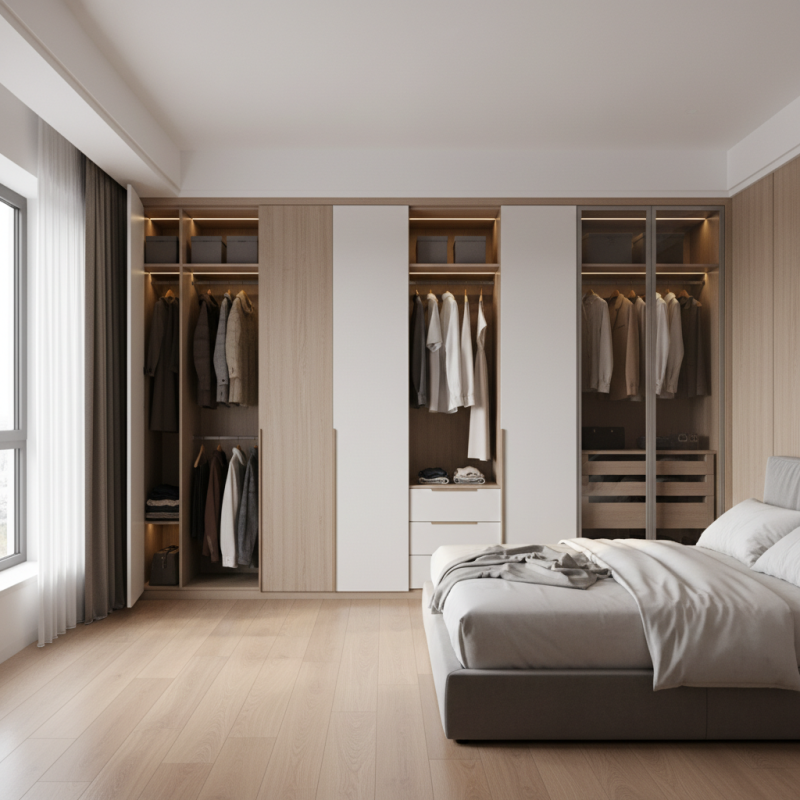
When it comes to bedroom wardrobe standards in China, understanding dimensions is key. The standard depth of wardrobes is typically around 60 centimeters. This measurement allows for efficient storage of clothes without wasting space. A depth of 60 cm accommodates most hangers and folded garments, ensuring versatility.
Tips: Consider your clothing type. If you have bulkier items, such as winter coats, you might need more depth. Conversely, if your wardrobe will mainly store lighter clothing, narrower options work well.
Additionally, height and width must also be considered. A common width for wardrobes is 90 to 240 cm, depending on the room size and layout. This flexibility offers solutions for various spaces. However, narrow rooms can lead to limited storage options. It’s crucial to measure your space accurately to avoid disappointments and conflicts with door swings or window placements.
Tips: Visualize your wardrobe layout before purchase. Sketching the design can help identify potential issues. Effective planning ensures a functional and cohesive bedroom environment.
This chart illustrates the various depth standards for bedroom wardrobes commonly found in China. Understanding these standards can help consumers make informed decisions when selecting furniture for their living spaces.
When considering wardrobe depth in China, common measurements play a crucial role. The standard depth for most wardrobes typically ranges from 450 mm to 600 mm. This depth accommodates various clothing items, from long dresses to folded sweaters. Reports indicate that about 70% of households prefer depths around 550 mm. This measurement balances ease of access with adequate storage capacity.
A deeper wardrobe allows for better organization of your garments while preventing them from getting wrinkled. However, the challenge of space arises in smaller bedrooms. Sometimes, standard depths may not fit well in every layout. Some designers suggest using customized wardrobes to better suit unique room dimensions.
**Tips:** Consider pegging your wardrobe depth to the type of clothing you own. For instance, if you often store winter coats, opting for a deeper wardrobe can help accommodate bulkier items. Reflect on your storage needs before finalizing the depth. A wardrobe that’s too shallow can lead to disorganization, while a depth that’s excessive may waste valuable space. Balancing style with functionality will guide you in making the right choices for your bedroom.
When considering wardrobe depth, several factors come into play. One major consideration is the space available. A typical bedroom requires functional circulation around the wardrobe. According to the China National Standards, a depth of 60 cm is often recommended. This allows for hanging clothes without wrinkling. Yet, this does not suit every room's architecture.
User needs also influence wardrobe choices. Families may require deeper wardrobes for larger clothing items, such as coats or formal dresses. A recent industry report states that 30% of consumers prioritize storage capacity over aesthetics. Height also plays a role; taller individuals may require more depth for proper garment fitting.
Market trends reveal an increasing demand for versatile storage solutions. Many consumers are looking at customizable options. Misjudgments in depth can lead to dissatisfaction. A wardrobe too deep can waste space, while too shallow can cause clutter. It's essential to strike a balance based on lifestyle and practicality. Reflecting on individual needs can lead to more informed decisions in wardrobe planning.
When choosing a wardrobe, depth is a crucial factor. The standard wardrobe depth in China typically ranges from 50 cm to 60 cm. This dimension works well for standard clothing storage. However, different styles require unique considerations. For instance, sliding-door wardrobes often need more depth for optimal functionality.
Open wardrobes can vary significantly. They tend to be shallower, around 40 cm. This depth may not accommodate bulkier items like coats or sweaters. On the other hand, walk-in closets usually boast a depth of 70 cm or more. This allows for an organized display of clothing and accessories. Each style brings its own limitations and advantages.
While standard depths offer uniformity, they might not fit everyone's needs. It’s essential to reflect on your personal wardrobe habits. A standard depth might not work well for those with extensive shoe collections or larger garments. Custom solutions often become necessary. The choice of wardrobe depth affects not only functionality but also the overall design of a bedroom space.
Choosing the right wardrobe depth is crucial for maximizing space and functionality. Standard depths usually range from 50 to 70 centimeters. This option varies based on the type of clothing and personal preferences. A deeper wardrobe can store bulkier items, while a shallower one may be better for access and visibility. Finding that balance can be challenging.
Tips for choosing depth include considering what you’ll store inside. For hanging clothes, ensure the depth allows for clothing to hang freely. If you have many shoes or bags, deeper designs might suit you better. Think about accessibility, too. Sometimes a shallower depth results in better organization and ease of use.
Visualize how the wardrobe fits in your room. A bulky design can overwhelm a small space. If your bedroom is tight, a depth of around 50 centimeters might be adequate. Don’t overlook functionality; if you find yourself unable to reach the back easily, it could lead to wasted space. Each choice should reflect not just aesthetics, but also your daily habits and storage needs.
: The standard depth is around 60 centimeters, suitable for most clothing types.
Bulkier items require more depth. Lighter clothing can fit in narrower options.
Wardrobe widths typically range from 90 to 240 centimeters, depending on room size.
Accurate measurements prevent issues with door swings and window placements, ensuring a good fit.
About 70% of households prefer a depth around 550 mm for balance and access.
A deeper wardrobe helps organize garments better and prevents wrinkling.
Visualize the layout and sketch it out to identify potential space issues.
Custom wardrobes can accommodate specific measurements, fitting better in smaller spaces.
A shallow wardrobe may lead to disorganization and make it hard to store items.
Finding the right balance ensures your wardrobe looks good and meets your storage needs.
The article "China Top Bedroom Wardrobe Standard Depth Insights" explores essential standards for bedroom wardrobes in China, particularly focusing on depth measurements. A common question arises: "What is the standard depth for bedroom wardrobes?" Typically, Chinese wardrobes range from 50 to 60 cm in depth, catering to various storage needs and styles.
Factors influencing wardrobe depth include the available room space, the type of clothing being stored, and personal preferences. The article also compares wardrobe depths across different styles, showing how modern designs might favor shallower depths for a sleek look, while traditional styles often require deeper units for functionality. Finally, practical tips are provided to help consumers choose the right wardrobe depth, ensuring both aesthetic appeal and practicality are achieved in their bedroom setup.
