Transforming a spare room into a wardrobe is a creative challenge that many face. "How to convert a spare room into a wardrobe" is a question that sparks ideas about organization and personal style. A wardrobe is not just about clothing storage; it's a reflection of your fashion sense and lifestyle.
To create a functional space, start by assessing the room's size and layout. Every inch counts when maximizing storage. Consider built-in shelves or modular systems that can adapt over time. Using mirrors can also enhance light and make the space feel larger, which is crucial for smaller rooms. However, balance practicality with aesthetics; a visually pleasing design can elevate your daily routine.
Embrace the process of decluttering. It's an opportunity to reflect on your wardrobe choices. Not all items may serve a purpose or bring joy. Some may need to be donated or repurposed. Seeking inspiration from professionals can also refine your vision. They can help you navigate common pitfalls. By focusing on function and personal style, you can create a wardrobe that is both efficient and uniquely yours.
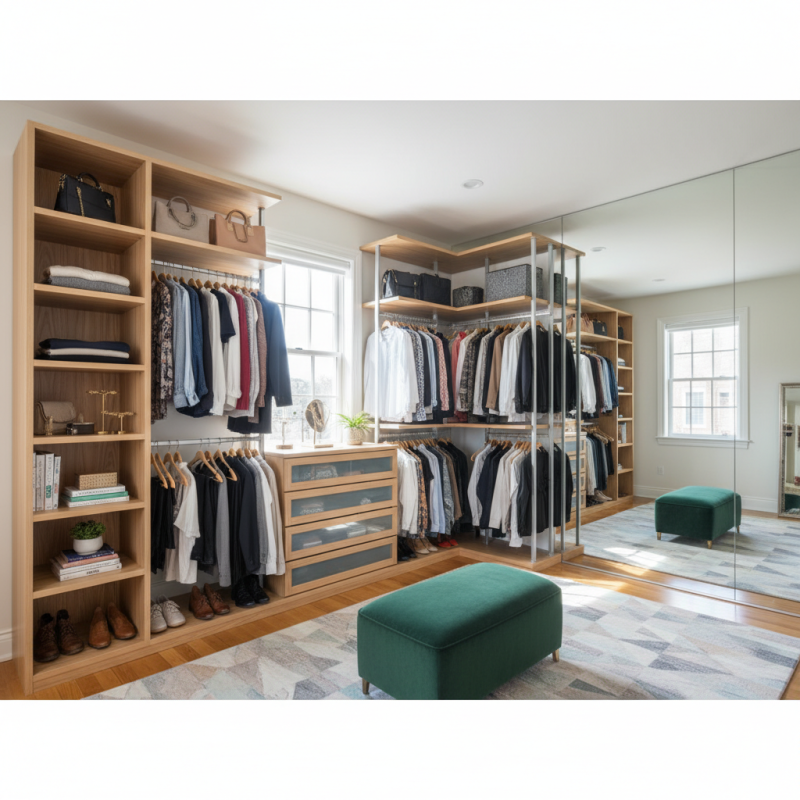
Choosing the right spare room for your wardrobe conversion is crucial. Consider the space's natural light and ventilation. A room with windows can enhance your wardrobe's environment and minimize mustiness. According to the National Association of Realtors, natural lighting increases property value by up to 15%. This could also enhance your closet experience, making it more inviting.
Size is another important factor. A larger room allows more customization options. Reports suggest that a well-organized wardrobe can improve efficiency by 20%. However, not every spare room is ideal. Some may have awkward layouts or limited wall space. Reflecting on how you plan to use the space is essential. Will it serve exclusively for clothing, or will it hold accessories and shoes too?
Also, consider the location within your home. Proximity to the bedroom can save time during your morning routine. Yet, a room far from the main living area can provide a quiet escape. Think about how these factors align with your lifestyle. Choosing carefully can make a significant difference in how functional and enjoyable your new wardrobe space will be.
When planning the design and layout of a spare room wardrobe, consider functionality and aesthetics. According to the 2023 Allied Market Research report, the global closet organization market was valued at around $10 billion, indicating a growing trend towards personalized storage spaces. Start by measuring the room dimensions. This helps in defining a realistic layout. Then, plan how you want to utilize the space. Consider built-in shelves, hanging rods, and designated shoe areas.
Think about lighting, as it can significantly enhance the ambiance of your wardrobe. A well-lit space not only looks appealing but also allows for easier outfit selection. According to the American Lighting Association, layered lighting increases usability. Try including natural light sources, such as windows or skylights, when possible. If not, bright LED lights are a good alternative.
Also, reflect on your organization strategy. Think about how often you access your clothes and accessories. If items are often forgotten, consider a more open design. Open shelving can promote visibility, but it may lead to clutter over time. Balance is key. A combination of open and closed storage might suit different needs.
When transforming a spare room into a wardrobe, choosing the right storage solutions is vital. Custom-built closets can maximize space. Shelving units help organize shoes and bags effectively. A mixture of open shelving and closed cabinets balances accessibility and tidiness. This approach gives a sleek look while keeping items within easy reach.
Consider your wardrobe’s layout. Dedicate one wall for hanging clothes, perhaps with varying rod lengths for dresses and shirts. Use pull-out bins for smaller accessories. If the space allows, include a cozy chair for a fitting spot.
Reflect on functionality regularly. A beautifully organized wardrobe may still feel cluttered if it lacks personal touches. Perhaps add a full-length mirror or artwork. Ensure the space reflects your style and needs. Ultimately, it’s not just about aesthetics. It should be a practical area that enhances your daily routine.
When transforming a spare room into a wardrobe, lighting and ventilation are crucial. Natural light can enhance the space. Large windows or skylights are excellent options. They create an inviting atmosphere. Use sheer curtains to allow light while maintaining privacy. Consider installing bright LED lights for darker corners. Ensure even illumination throughout the room. This prevents shadows that can obscure your clothing choices.
Ventilation is equally important. A well-ventilated room keeps your garments fresh. If windows can be opened, take advantage of cross-ventilation. An exhaust fan can help circulate air. This is especially vital in a room with minimal outside access. Well-placed vents can also reduce humidity. High humidity may damage your clothes over time.
During planning, think about how you use the space. An overcrowded wardrobe can feel stifling. Take a step back and evaluate the layout. Aim for a balance between style and practicality. Consider how different light levels impact your wardrobe’s appearance. Adjusting colors and materials can greatly influence the overall feel of the room.
Transforming a spare room into a wardrobe is an exciting adventure. Start with your personal style. Choose colors that reflect your taste. Neutral tones create a calming space. Bold colors can energize the room. A mix of both may add depth. Decor elements like artwork or a statement mirror enhance your wardrobe's aesthetics. They make the space feel inviting and well-curated.
Functionality is also crucial. Use creative storage solutions. Shelves can hold shoes and accessories. Drawers can store folded clothes neatly. Consider using decorative baskets for smaller items. This will give the room a tidy look. While aiming for perfection, be open to imperfections. Maybe the layout isn’t ideal at first. A corner may feel cramped. Adjustments are part of the process. Reflect on what works for you. Personalize with items that spark joy. Memories tied to objects make the wardrobe uniquely yours.
: Start by measuring your room dimensions for an effective layout. This defines what can realistically fit.
Aim for layered lighting. Natural light sources, like windows, are great. If unavailable, use bright LED lights.
Ventilation keeps garments fresh. Open windows and use exhaust fans when possible to improve air circulation.
Reflect on your habits. Use open shelving for visibility, but balance it with closed storage to avoid clutter.
Choose colors that resonate with you. Mix neutrals with bold accents. Decor elements like mirrors can enhance aesthetics.
Creative storage is key. Use shelves for shoes, drawers for folded clothes, and baskets for smaller items to maintain tidiness.
Adjustments are part of the process. If a corner feels cramped, rethink your arrangement. Reflect on what works for you.
Transforming an unused spare room into a wardrobe can be an exciting and practical project. To effectively learn how to convert a spare room into a wardrobe, start by choosing an appropriate space that complements your home. Planning the design and layout is crucial; consider how you will organize your clothing and accessories for easy access. Selecting suitable storage solutions and furniture tailored to your style will enhance functionality while maximizing the available space.
Lighting and ventilation are also key elements in your wardrobe room. Adequate lighting will not only allow you to see your clothing clearly but can also create an inviting atmosphere. Finally, don’t forget to incorporate personal style and decor elements that reflect your taste, making the wardrobe more than just a storage area but a space that inspires and delights. By following these tips, you can successfully convert any spare room into a stunning wardrobe.
