When designing a bedroom, wardrobes play a key role in both aesthetics and functionality. Choosing the right depth for these essential pieces can greatly enhance your storage capabilities. "What is the standard depth for bedroom wardrobes?" is a common question many homeowners face. Understanding standard dimensions can prevent overcrowding in your room and ensure a seamless fit.
Typically, a wardrobe’s depth ranges from 18 to 24 inches. This measurement balances space efficiency with accessibility. A depth of 24 inches allows room for hanging clothing without crumpling. However, some may find this depth too intrusive in a smaller bedroom. Reflecting on individual needs and room dimensions is vital in making an informed decision.
While these standards guide many, personal preferences and bedroom layouts can lead to variations. Not everyone requires the same depth for their wardrobe. Take time to assess your storage needs. Consider how often you access your clothing, as well as the overall design of your space. Finding that perfect fit may take patience and experimentation. Explore options that align with your specific requirements.
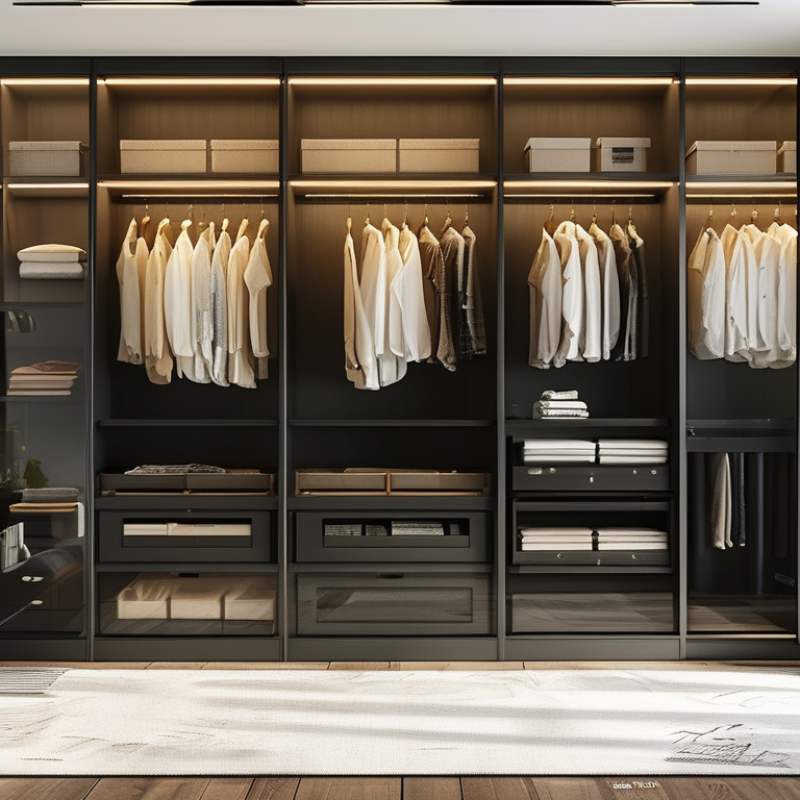
Understanding Bedroom Wardrobe Depth Requirements
When designing a bedroom wardrobe, depth is a critical factor that affects functionality and aesthetics. Standard wardrobe depth typically falls between 24 to 28 inches. This space allows adequate room for clothes to hang without crumpling. It also accommodates shelving and drawers effectively. Too shallow and clothes may not fit; too deep may waste valuable space.
Consider the type of clothes you own. If you have many long garments, opt for a deeper wardrobe. This will prevent them from sticking out awkwardly. On the other hand, if your collection consists mainly of folded items or smaller pieces, a shallower design can suffice.
Creating a practical wardrobe space means balancing style and storage. Measure your available space to avoid overestimating or underestimating your needs. Evaluate your daily wardrobe choices regularly. Reflect on any necessary changes. You might find that your needs evolve over time, influencing the effectiveness of your wardrobe design.
Standard Measurements for Bedroom Wardrobes: A Guide
When choosing wardrobe dimensions for a bedroom, several standard measurements guide the design. The average width of a wardrobe typically ranges from 24 to 36 inches. This width allows enough space for clothes, shoes, and accessories while maintaining a compact footprint. Industry reports indicate that a depth of around 24 inches is standard. This measurement prevents clothes from being crammed, ensuring they hang freely and wrinkle less.
Height also plays a critical role in wardrobe design. A standard height of 72 to 84 inches allows for ample storage while remaining accessible. However, not all rooms can accommodate these heights. Limited ceiling space may restrict options, requiring adjustments to designs. The interior space should also consider user needs. For instance, incorporating shelving or drawers may impact the overall depth or width.
Additionally, the door design significantly affects functionality. Sliding doors can reduce required space but may limit access to stored items. In contrast, hinged doors need more clearance but allow full visibility of the contents. Therefore, finding a balance between style and practicality is key. Customization may be necessary to address unique space limitations and personal preferences, suggesting that standard sizes are a guideline, not a strict rule. Adjusting these dimensions allows for better integration with your bedroom layout and aesthetic.
Factors Influencing Wardrobe Size and Depth Choices
When choosing the right depth for bedroom wardrobes, several factors come into play. The standard depth of a wardrobe typically ranges between 24 to 30 inches. However, personal needs and space limitations can influence this standard. For example, a report from the National Kitchen and Bath Association notes that functional design often favors a depth of 24 inches for optimal accessibility.
Consider your belongings. The depth should accommodate garments like jackets or dresses, which require ample space. Poorly sized wardrobes can lead to cramped, disorganized storage. A survey conducted by the American Home Furnishings Alliance found that 40% of people struggle with closet space, emphasizing the need for thoughtful depth considerations.
Another aspect to weigh is the room's overall layout. Narrow bedrooms may benefit from shallower wardrobes, while larger spaces can support deeper designs. Multiple options exist, but striking a balance between function and aesthetics is vital. The right depth improves usability and flow, transforming a simple wardrobe into a feature of your room. Always keep in mind how choices in furniture affect daily routines.
Optimal Wardrobe Depth for Efficient Space Utilization
Choosing the right depth for bedroom wardrobes is crucial for optimizing space. Typically, the standard depth ranges from 24 to 30 inches. This space accommodates most clothing items, including longer garments like dresses. Efficient wardrobe design not only hinges on depth but also on how this depth interacts with available room dimensions.
A study by the American Home Furnishings Alliance (AHFA) indicates that efficient storage can significantly improve room functionality. Items stored in depths of 24 to 30 inches allow garments to hang freely without wrinkling. This depth also enables easy access to items at the back, reducing excessive clutter. However, deep wardrobes can lead to wasted space if they lack adequate shelving or organizational systems.
It's essential to reflect on individual needs and preferences when selecting wardrobe depth. Not all bedrooms can accommodate standard sizes. In smaller rooms, deeper wardrobes may overwhelm the space. Therefore, assessing the room layout is vital for ensuring that the wardrobe enhances, rather than hinders, movement and accessibility. Ultimately, a well-thought-out wardrobe design maximizes both style and functionality in any bedroom.
Tailoring Wardrobe Sizes to Fit Your Bedroom Layout
When selecting wardrobe sizes for your bedroom, it’s essential to consider the layout. The depth of a wardrobe can significantly impact your space. A depth of 60 to 65 centimeters is standard for most wardrobes. This size provides ample room for hanging clothes without wasting too much depth in the room. However, what works for one bedroom may not suit another.
Tailoring your wardrobe to fit the specific dimensions of your bedroom layout can optimize space. If your bedroom is small, consider slim wardrobes or corner units. A wardrobe that is too bulky can crowd the space, making it feel less inviting. Also, be mindful of door swings. Sliding doors may save space compared to traditional hinged doors.
Sometimes, it's challenging to find the perfect balance. You may need to compromise on storage for aesthetics. Think about how you use your space daily. Adjustable shelving inside can also enhance functionality. Reflecting on your needs may lead to a more tailored solution, creating a wardrobe that complements your lifestyle while fitting your room's layout effectively.
FAQS
: The standard depth typically ranges from 24 to 28 inches. This ensures clothes hang well without crumpling.
Depth impacts how clothes fit. Too shallow may not hold items well; too deep can waste valuable room space.
Consider your wardrobe items. Long garments need deeper wardrobes, while folded clothes can fit well in shallower designs.
Wardrobe widths usually range from 24 to 36 inches. This allows enough space for clothes and accessories.
Standard height ranges from 72 to 84 inches, allowing storage access but may need adjustment for low ceilings.
Sliding doors save space but may limit visibility. Hinged doors require more room but offer full access to contents.
Consider the specific dimensions of your bedroom. Slim or corner units can optimize space in smaller rooms.
Yes, customization helps integrate wardrobes into unique layouts. Standard sizes are just guidelines, not hard rules.
Yes, evaluating your needs regularly can enhance functionality and style. This leads to a more effective wardrobe solution.
Overestimating space can lead to clutter. Finding a balance between aesthetics and storage is crucial.
Conclusion
When considering what is the standard depth for bedroom wardrobes, it's essential to understand the specific requirements that suit your space. The typical depth for a bedroom wardrobe ranges from 50 to 65 centimeters, ensuring that clothes can be hung without getting crumpled. Factors such as the layout of your bedroom, the type of clothing you own, and additional storage needs can influence the ideal size and depth of your wardrobe.
Optimal wardrobe depth plays a crucial role in maximizing space utilization while maintaining functionality. Tailoring the dimensions of your wardrobe to fit your bedroom layout not only helps in organizing your belongings but also enhances the aesthetic appeal of the room. By considering these standard measurements and individual requirements, you can create a practical and stylish storage solution for your bedroom.

 Arpacılar Home