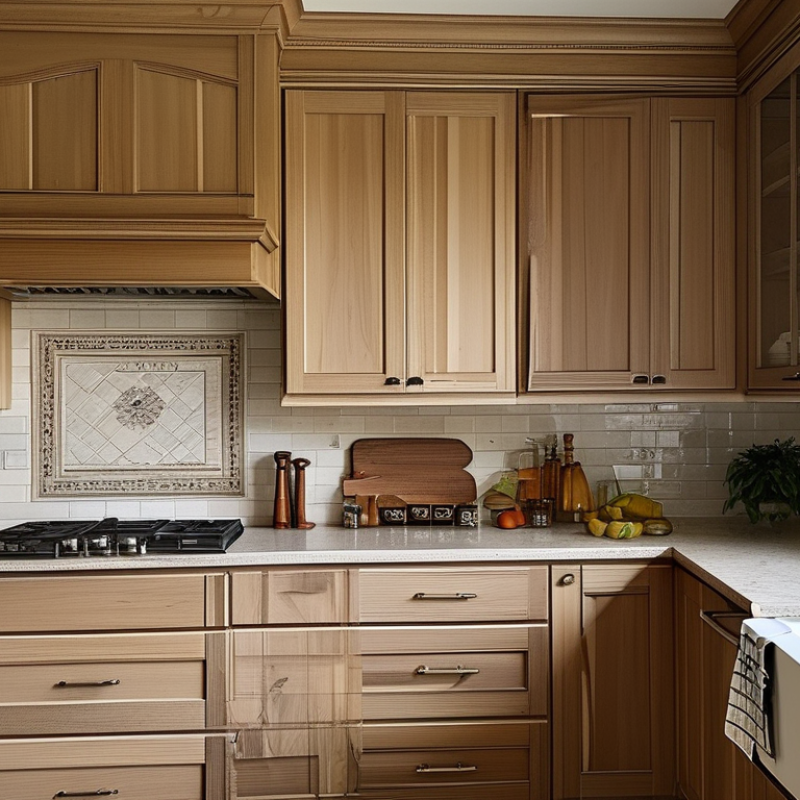
How to Accurately Measure for Custom Kitchen Cabinets?

Time:2026-04-13 Author:Sienna
0%

When considering a kitchen remodel, understanding how to measure for custom kitchen cabinets is essential. Accurate measurements ensure that your cabinets fit perfectly, enhancing both functionality and aesthetics. According to industry standards, approximately 70% of kitchen remodels fail due to sizing issues. This highlights the importance of precise measurements.

Begin by assessing your kitchen space. Take note of the height, width, and depth of various areas. Details matter. Even a small discrepancy can lead to costly adjustments later. The National Kitchen and Bath Association (NKBA) recommends using a laser level for accuracy. Additionally, it's wise to account for appliances and plumbing. Many homeowners overlook this step, resulting in frustration.

Consider hiring a professional if you're unsure about measuring. While it might incur extra costs, it can save you from future headaches. Remember, custom cabinets are an investment. Ensuring they are tailored to your space will maximize their longevity and appeal. Understanding how to measure for custom kitchen cabinets is the first step towards achieving your dream kitchen.

How to Accurately Measure for Custom Kitchen Cabinets?

Understanding Kitchen Cabinet Measurements: Key Terminology and Units

When measuring for custom kitchen cabinets, understanding key terminology and units is crucial. Cabinet measurements typically use inches for length and width. The height is often specified in both inches and millimeters. Standard cabinet depths are usually 24 inches for base cabinets and 12 to 15 inches for wall cabinets. This information helps in creating a functional kitchen layout.

In a recent industry report, 78% of kitchen remodels cited inaccurate measurements as a top reason for project delays. Mistakes often stem from misunderstanding terms like "depth" and "overlay". Depth refers to how far the cabinet protrudes from the wall. Overlay describes how cabinet doors cover the cabinet frame. These concepts are vital for ensuring a seamless fit.

Consider your space limitations. Measuring accurately can be tricky, especially in older homes. Existing structure can lead to adjustments in cabinet dimensions. Note any irregularities in walls or flooring. Using a laser measuring tool can enhance precision. However, relying solely on technology may overlook unique attributes of your space. It’s essential to verify measurements multiple times. Remember, a well-measured kitchen can elevate the overall design.

Kitchen Cabinet Size Measurement Comparison

This chart illustrates the average measurements for different types of kitchen cabinets. Understanding these measurements can help in making informed decisions when planning for custom kitchen cabinetry.

Essential Tools for Measuring Kitchen Cabinets Accurately

Accurate measurements are crucial for custom kitchen cabinets. To achieve precision, certain tools are essential. A measuring tape is your best friend. It offers flexibility and ease for measuring various areas. Invest in a high-quality tape measure, preferably one that features both inches and centimeters. This allows for different measurement systems, depending on your design needs.

A square is another vital tool. It helps ensure corners are truly right angles. This prevents discrepancies later in the installation process. When it comes to wall measurements, a laser level can provide accuracy over longer distances. Laser levels help maintain straight lines. They are particularly useful when cabinets are mounted off the ground.

Don't forget to take multiple measurements. Walls can be uneven, and relying on a single measurement may lead to mistakes. It's also wise to measure from different points. Sometimes, it is easy to overlook details like molding or outlets. Careful measuring can save time and money in the long run. Keep a notepad handy to jot down all your findings. An organized approach reduces confusion. This methodical process ensures your cabinets fit perfectly.

Step-by-Step Process for Taking Dimensions of Cabinetry Space

Measuring for custom kitchen cabinets is a vital step that requires precision and attention to detail. Begin by gathering essential tools like a tape measure, pencil, and paper. Make sure to wear comfortable shoes, as you’ll be moving around the kitchen a lot. Start at one corner of your kitchen and measure the wall length. Record measurements to the nearest 1/8 inch. Don’t forget to account for any irregularities in your walls. Uneven surfaces can mislead measurements.

Next, focus on the height and depth of the cabinetry space. Measure from the floor to the ceiling, noting any changes in elevation. Identify areas where the cabinets will go, including appliances and plumbing fixtures. For depth, check your wall space by measuring from the wall to where you want the cabinetry to sit. Be aware of any obstacles, like outlets or windows, that could affect cabinet installation.

Finally, always double-check your work. It’s easy to make small mistakes that can lead to costly errors. Taking your time matters. Consider using a checklist to ensure no step is overlooked. It might seem tedious, but accuracy is crucial for a perfect fit. Mistakes in measurement can lead to frustration later. Be prepared to adjust, and remember, this is a process that can greatly influence the look and functionality of your kitchen.

Common Measuring Mistakes to Avoid in Custom Cabinet Design

When measuring for custom kitchen cabinets, common mistakes can lead to costly errors. Many homeowners underestimate the importance of precise measurements, often assuming that standard dimensions will suffice. According to a study by the Cabinet Makers Association, about 30% of homeowners reported issues related to improper measurements. Even small discrepancies can lead to significant problems in the final installation.

One frequent mistake is not accounting for ceiling height or baseboard variation. Installing cabinets too close to a low ceiling can create awkward gaps. Additionally, measuring only one side of the room can yield inaccurate results. I've seen situations where a slight bump in a wall led to cabinets that didn’t fit properly. It’s essential to measure every section of the wall and to re-check dimensions to ensure accuracy.

Another common error is failing to consider the placement of appliances. Homeowners might measure cabinet space without accounting for stove and refrigerator clearances. Inadequate space can hinder functionality and lead to frustration. A report from the National Kitchen and Bath Association highlights that poorly planned cabinets can result in a 20% decrease in kitchen efficiency. Taking the time to reassess measurements can prevent these pitfalls and ensure a successful custom cabinet design.

Industry Standards for Kitchen Cabinet Heights, Depths, and Widths

When considering custom kitchen cabinets, understanding industry standards is key. Standard cabinet heights typically range from 30 to 36 inches for base cabinets. Wall cabinets generally start at 12 inches high and can go up to 42 inches. These measurements ensure functionality while maximizing storage.

Depth is crucial. Standard base cabinet depth is usually 24 inches. However, kitchen designs may vary, leading to custom depths. Wall cabinets, on the other hand, are commonly 12 inches in depth. Adhering to these dimensions allows for proper spacing and accessibility.

Tips: Measure the height from the floor to the ceiling for wall cabinets. This ensures cabinets align perfectly. Consider local building codes, as they may impact cabinet height.

Width varies. Base cabinets typically come in increments of 3 inches. Common sizes include 30, 33, and 36 inches. This allows flexibility for appliances and sinks. Identifying the right width prevents design flaws. Reflect on the layout; what works in theory may not fit in practice. Consider the flow of the kitchen before finalizing measurements.

How to Accurately Measure for Custom Kitchen Cabinets? - Industry Standards for Kitchen Cabinet Heights, Depths, and Widths

Dimension Standard Measurement (inches) Notes
Base Cabinet Height 34-1/2 Includes countertop thickness
Wall Cabinet Height 30, 36, or 42 Standard heights available
Base Cabinet Depth 24 Standard depth for kitchen use
Wall Cabinet Depth 12 Common depth for wall cabinets
Cabinet Width 12, 15, 18, 24, 30, 36 Widths available in 3-inch increments

FAQS

: Why is accurate measurement important for custom kitchen cabinets?

: Accurate measurements ensure cabinets fit well, preventing costly installation errors. Small mistakes can cause significant issues later.

What essential tools are needed for taking measurements?

A measuring tape and a square are crucial. A laser level is also helpful for ensuring straight lines over long distances.

How should walls be measured to avoid mistakes?

Measure from multiple points and take several measurements. Walls can be uneven, leading to potential discrepancies.

What is a common mistake when measuring for cabinets?

Not accounting for ceiling height can create awkward gaps. Always check both the ceiling and baseboard variations.

How does appliance placement affect cabinet measurements?

Failing to consider appliance spaces can hinder functionality. Ensure there’s enough room for stoves and refrigerators.

What are standard dimensions for kitchen cabinets?

Base cabinets are typically 30 to 36 inches high, with a depth of 24 inches. Wall cabinets usually range from 12 to 42 inches high.

How can measuring standards vary in custom designs?

While there are industry standards, custom designs may deviate. It’s essential to reflect on your layout and practicality.

What should I do if my kitchen layout doesn’t match theory?

Assess the flow of your kitchen. Adjust measurements based on real-life application rather than theoretical designs.

How can I ensure organized measurements?

Keep a notepad handy to jot down findings. An organized approach reduces confusion during installation.

Why should I reconsider my measurements?

Taking the time to reassess prevents costly mistakes. Reflect on details like molding and outlets for accurate outcomes.

Conclusion

Measuring accurately for custom kitchen cabinets is crucial for ensuring a perfect fit and optimal functionality in your kitchen space. Understanding key terminology and units related to kitchen cabinet measurements is the first step in this process. Essential tools such as measuring tapes, levels, and square tools help ensure precision. The process involves carefully taking dimensions of the cabinetry space, while also adhering to industry standards for kitchen cabinet heights, depths, and widths.

Additionally, it is important to be aware of common measuring mistakes to avoid during the design phase. Learning how to measure for custom kitchen cabinets with precision not only prevents costly errors but also ensures that the final product meets your specific needs and aesthetic preferences. By following a structured approach and being diligent in measurements, you can achieve an ideal kitchen layout that combines style and functionality.

Sienna

Sienna

Sienna is a skilled marketing professional with a deep expertise in our company’s core products and services. With a passion for innovation and detail, she plays a pivotal role in crafting insightful blog posts that not only highlight the unique features of our offerings but also provide valuable......